Coordinating Real-Time Table Interactions with Multi-Currency Transaction Systems in Mixed Gambling Environments
Avery Schwarz · Aug 24, 2026
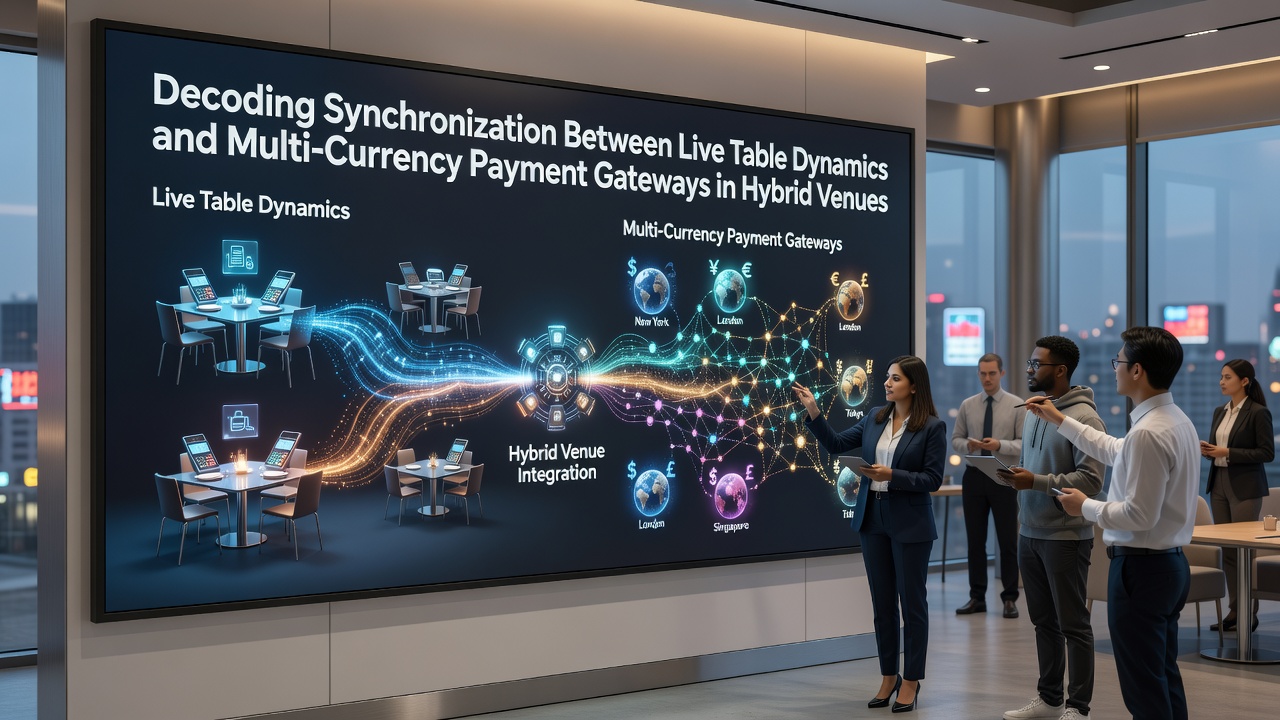
Coordinating Real-Time Table Interactions with Multi-Currency Transaction Systems in Mixed Gambling Environments
Hybrid venues combine live dealer tables with sportsbooks and poker rooms under one platform, which requires precise coordination between game mechanics and payment flows to maintain uninterrupted sessions across currencies. Observers note that synchronization occurs through application programming interfaces that update table states in real time while processing deposits and withdrawals in multiple denominations simultaneously. Data from industry reports indicates that platforms handling these operations rely on middleware layers to convert currencies at fluctuating rates without pausing gameplay.
Core Mechanisms of Live Table and Payment Alignment
Live tables generate continuous data streams on bets, wins, and player actions, and these streams feed directly into payment gateways that support currencies such as euros, dollars, and cryptocurrencies. Experts have observed that the alignment depends on timestamped event logging, where each table outcome triggers an immediate balance check and currency conversion request. Research indicates that latency below 200 milliseconds prevents discrepancies during high-volume rounds, especially when players switch between table games and other venue sections.
Multi-currency gateways maintain separate ledgers for each supported denomination while a central reconciliation engine matches them against table results. According to figures from the American Gaming Association, hybrid platforms processed over 12 million cross-currency transactions in the first half of 2026, with live table activity accounting for 38 percent of that volume. And the systems flag any mismatch instantly through automated alerts that route to compliance teams for review.
Technical Integration Points in August 2026 Operations
By August 2026 many venues updated their architecture to include blockchain-based verification for currency swaps during live sessions. Those who've studied these upgrades report that smart contracts execute rate locks at the moment a player places a bet, shielding both the venue and the participant from subsequent market swings. This approach integrates with existing table management software through standardized protocols that transmit bet amounts, player identifiers, and payout instructions in a single packet.
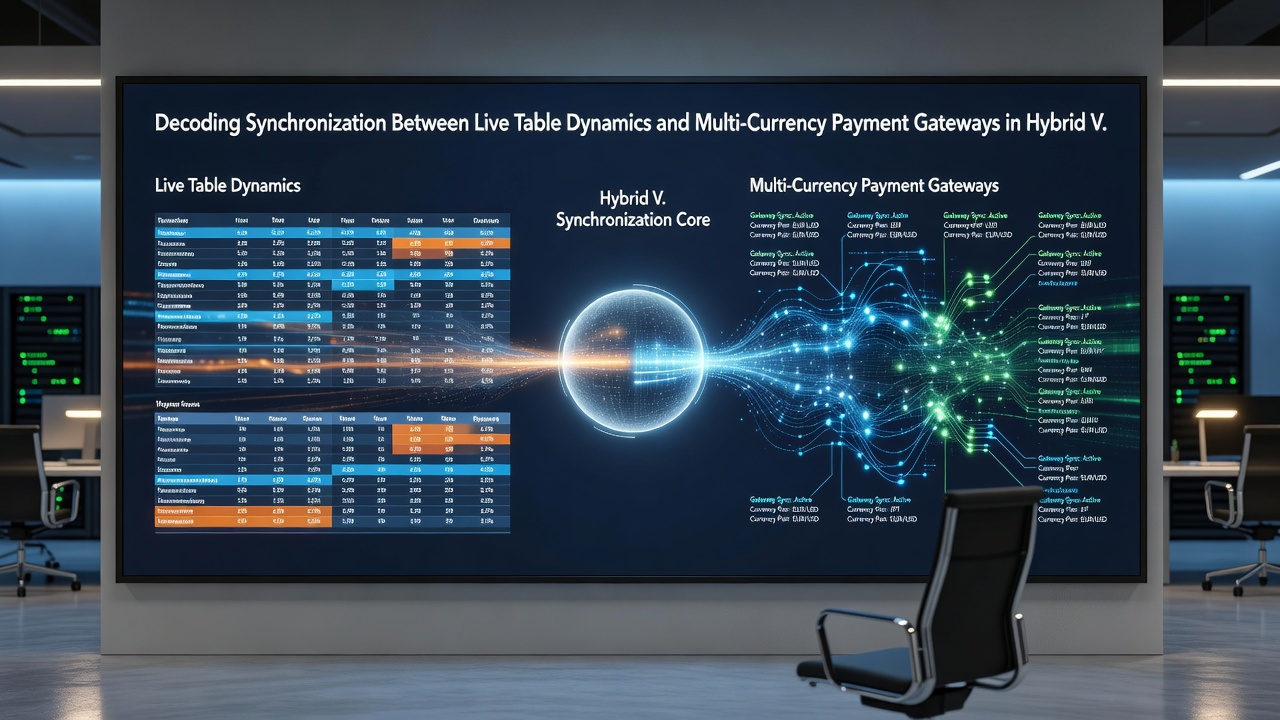
Payment processors also incorporate geolocation checks that align with table access rules, ensuring that currency availability matches regional regulations without interrupting the dealer’s pace. One study revealed that venues adopting unified APIs reduced failed transactions by 27 percent compared with earlier segmented systems. The reality is that these integrations must accommodate peak traffic periods when multiple tables run concurrently and players move funds between poker, sports, and live casino areas within the same account.
Regulatory and Security Considerations Across Regions
Authorities in several jurisdictions require detailed audit trails that link each live table event to its corresponding payment record. The Malta Gaming Authority, for instance, mandates that gateways retain conversion logs for a minimum of five years to support dispute resolution. Similar requirements appear in Canadian provincial frameworks, where operators must demonstrate that currency handling does not introduce unfair advantages or delays during active table rounds.
Security protocols include end-to-end encryption for data packets traveling between table servers and payment endpoints, while tokenization protects account details during rapid withdrawals. Industry organizations such as the European Gaming and Betting Association have published guidelines that emphasize testing synchronization under simulated load conditions before deployment. Those guidelines note that venues must verify failover mechanisms so that a gateway outage does not freeze table balances or force manual interventions.
Operational Outcomes in Hybrid Settings
Platforms that achieve tight synchronization report higher session continuity, with players remaining engaged across game types without exiting to adjust currency settings. Figures from academic research papers on digital gambling infrastructure show that effective alignment correlates with a 15 percent increase in average session length during multi-currency operations. Hybrid venues therefore prioritize monitoring dashboards that display both table metrics and gateway health indicators side by side.
Case examples from Australian operators illustrate how real-time rate feeds from external financial providers feed into table software, allowing instant display of equivalent bet values in a player’s chosen currency. These feeds update every 30 seconds during active rounds, and the system recalculates pending payouts automatically when rates shift. Observers note that such automation reduces support tickets related to currency disputes by measurable margins.
Conclusion
Coordination between live table dynamics and multi-currency gateways rests on layered technical connections, regulatory compliance structures, and continuous monitoring practices that together support seamless activity in hybrid venues. Data from multiple sources confirms that platforms maintaining these alignments handle growing transaction volumes while preserving game integrity across regions. As operations evolve, the focus remains on refining the interfaces that keep table events and payment actions in lockstep.