Crypto Wallet Integration Aligns Tiered Rewards Across Hybrid Betting Platforms
Avery Schwarz · Jul 24, 2026
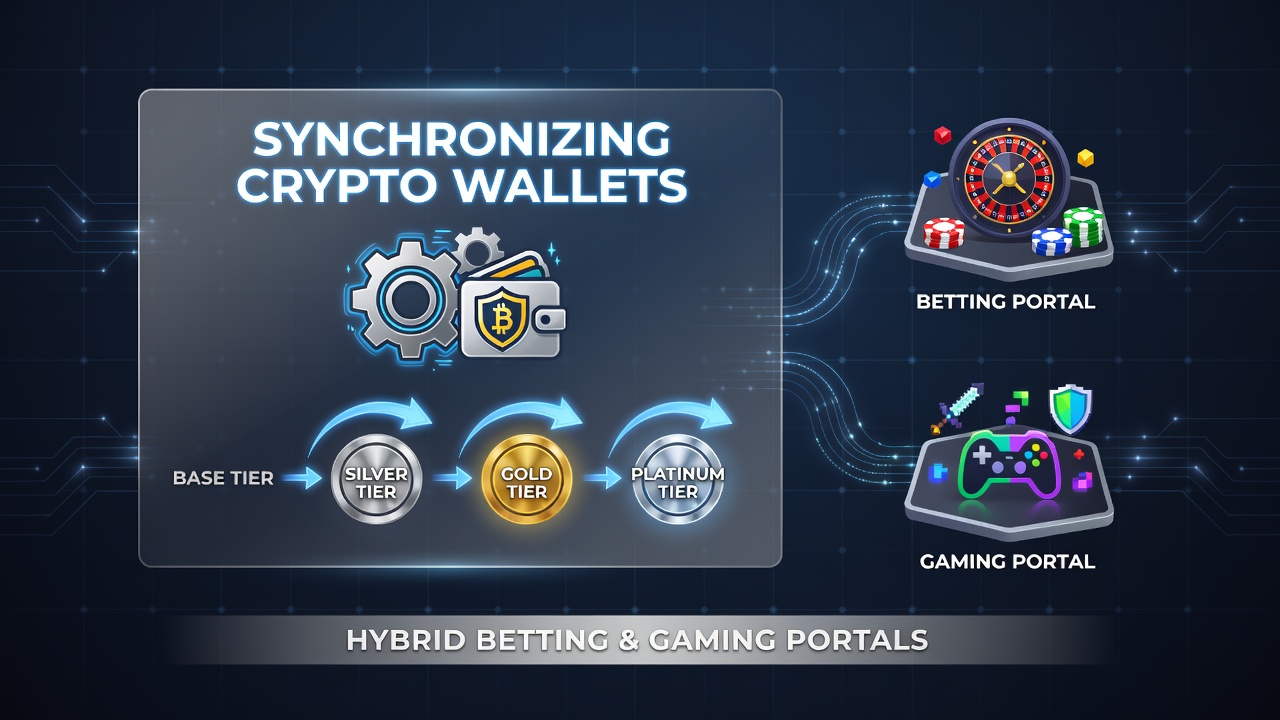
Crypto Wallet Integration Aligns Tiered Rewards Across Hybrid Betting Platforms
Hybrid betting and gaming portals combine sportsbooks, casino floors, poker rooms, and live dealer tables under single accounts, and platform operators now connect cryptocurrency wallets directly to these unified systems to manage tiered rewards without manual transfers or separate logins. Data from industry reports indicates that wallet synchronization allows users to deposit, wager, and claim bonuses across verticals while balances update in real time through blockchain confirmations that typically complete in under ten minutes for major networks such as Bitcoin and Ethereum.
Operators achieve this alignment by embedding application programming interfaces that read wallet addresses, verify transaction hashes, and map reward points to centralized loyalty ledgers, which means a sports bet placed with deposited crypto can immediately contribute to casino bonus tiers without additional steps. Studies from academic research groups have tracked adoption rates, showing that synchronized systems reduce transaction friction by up to 40 percent compared with separate wallet management across multiple sites.
Mechanics of Wallet Synchronization
Developers connect non-custodial wallets through secure keyless protocols that grant read-only access for balance checks while keeping private keys on user devices, and custodial solutions offered by platforms store encrypted seed phrases behind multi-signature controls that require both user approval and platform verification for withdrawals. These connections feed directly into reward engines that calculate points based on wager volume, game type, and time spent, then distribute tier upgrades such as silver, gold, or platinum status that unlock higher cashback percentages or exclusive event access.
Hybrid portals maintain separate ledgers for each vertical yet consolidate point totals into one profile, which allows a poker tournament entry fee paid in crypto to count toward the same monthly tier threshold as slots spins completed on the same account. Observers note that this consolidation prevents duplicate tracking issues that previously forced users to maintain multiple profiles when moving between betting and gaming sections.
Tiered Reward Structures in Practice
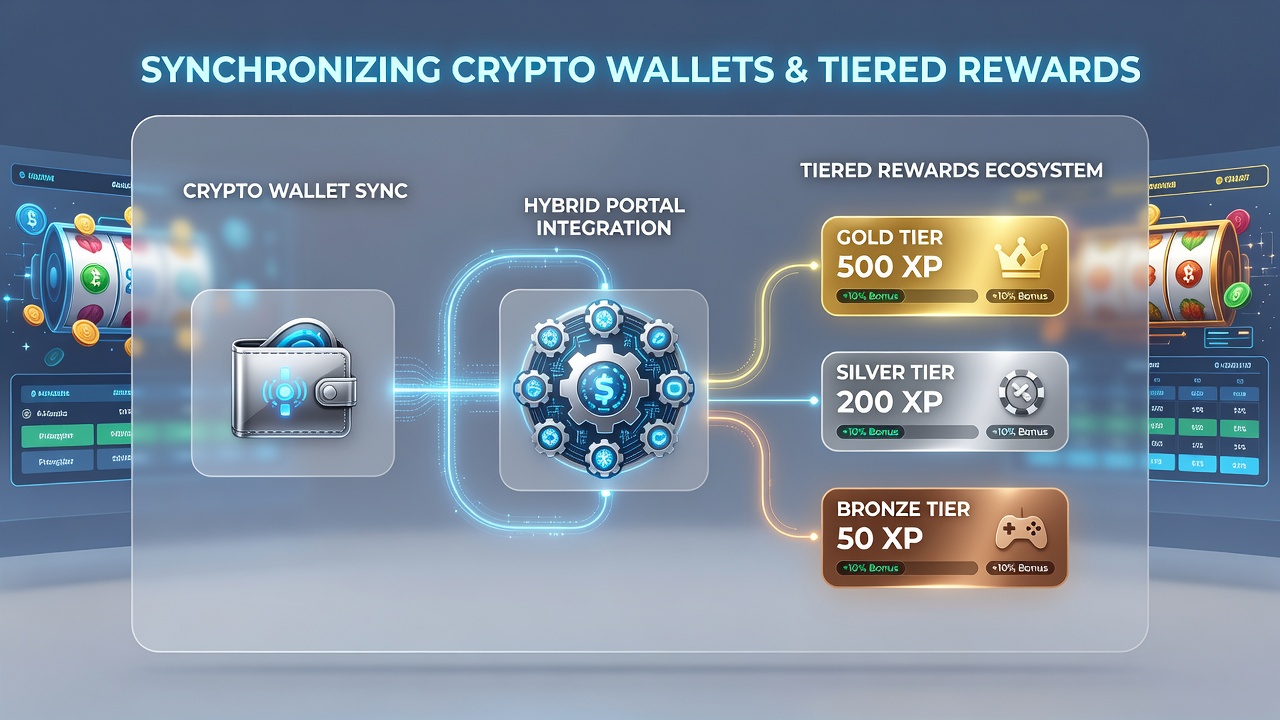
Tier systems operate on progressive thresholds where users advance by accumulating points from combined activity across sports, casino, and poker products, and many platforms reset monthly or quarterly cycles to maintain engagement momentum. Higher tiers deliver benefits including accelerated withdrawal limits for crypto assets, reduced house edges on select tables, and priority entry into freeroll tournaments funded by operator revenue shares.
Figures from regulatory filings in multiple jurisdictions reveal that platforms offering synchronized crypto rewards report average user retention periods extending 25 percent longer than those limited to fiat-only incentives. Reward multipliers often scale with tier level, so platinum users might receive 1.5 times the base points per dollar wagered compared with entry-level participants, and these multipliers apply uniformly whether the activity occurs on a sportsbook or within a live dealer casino room.
Cross-Vertical Activity Tracking
Tracking engines monitor every wager in real time, convert stake amounts into equivalent point values regardless of currency, and update user dashboards within seconds of blockchain confirmation, which eliminates delays that once occurred when users switched from crypto deposits to traditional bonus claims. This seamless flow supports hybrid environments where a single wallet address serves as the funding source for live poker tables, virtual sports betting, and progressive jackpot slots simultaneously.
Platform logs indicate that synchronization reduces support ticket volume related to missing rewards by approximately 30 percent, since automated scripts verify eligibility across all verticals before issuing tier benefits. Those who have studied these implementations report that edge cases, such as network congestion delays on certain blockchains, are handled through temporary credit systems that later reconcile once confirmations arrive.
Developments Observed in July 2026
During July 2026 several major hybrid operators expanded wallet compatibility to include newer layer-two solutions that lowered gas fees for smaller transactions, allowing micro-bets on esports events to contribute toward tier progress without disproportionate cost. Regulatory updates in select North American and European markets clarified tax reporting requirements for crypto-derived rewards, prompting platforms to integrate automated transaction summaries that users can export directly from their synchronized dashboards.
Industry associations such as the American Gaming Association published updated guidelines on responsible disclosure of crypto reward mechanics, while separate research from Australian academic centers examined user behavior patterns following these July expansions and documented shifts in average session lengths across integrated platforms.
Security and Compliance Considerations
Security protocols require two-factor authentication for any wallet linkage change and employ continuous monitoring for anomalous withdrawal patterns that might indicate compromised credentials, and compliance teams routinely audit point calculations to ensure they align with local gambling regulations that differ by jurisdiction. Platforms operating in multiple regions maintain separate reward ledgers when necessary to satisfy varying rules on bonus wagering requirements and maximum payout caps.
Those monitoring the sector note that synchronization does not alter underlying anti-money laundering checks, which continue to apply at deposit and withdrawal stages regardless of how rewards accumulate across verticals. Data sharing between wallet providers and gaming operators remains limited to transaction metadata required for verification, preserving user privacy while meeting regulatory standards.
Conclusion
Wallet synchronization with tiered rewards has become a standard feature on many hybrid betting and gaming portals as operators seek to consolidate user activity across sports, casino, and poker offerings through single crypto connections. The approach relies on established blockchain verification methods, centralized loyalty engines, and cross-vertical point tracking that updates in real time. Reports from regulatory bodies and academic sources continue to document adoption patterns, retention metrics, and compliance frameworks that shape how these integrated systems operate in practice.