Decentralized Wagering Wave: Crypto Platforms Overhauling Slots, Live Tables, and Sportsbooks
Petra Frank · Apr 1, 2026
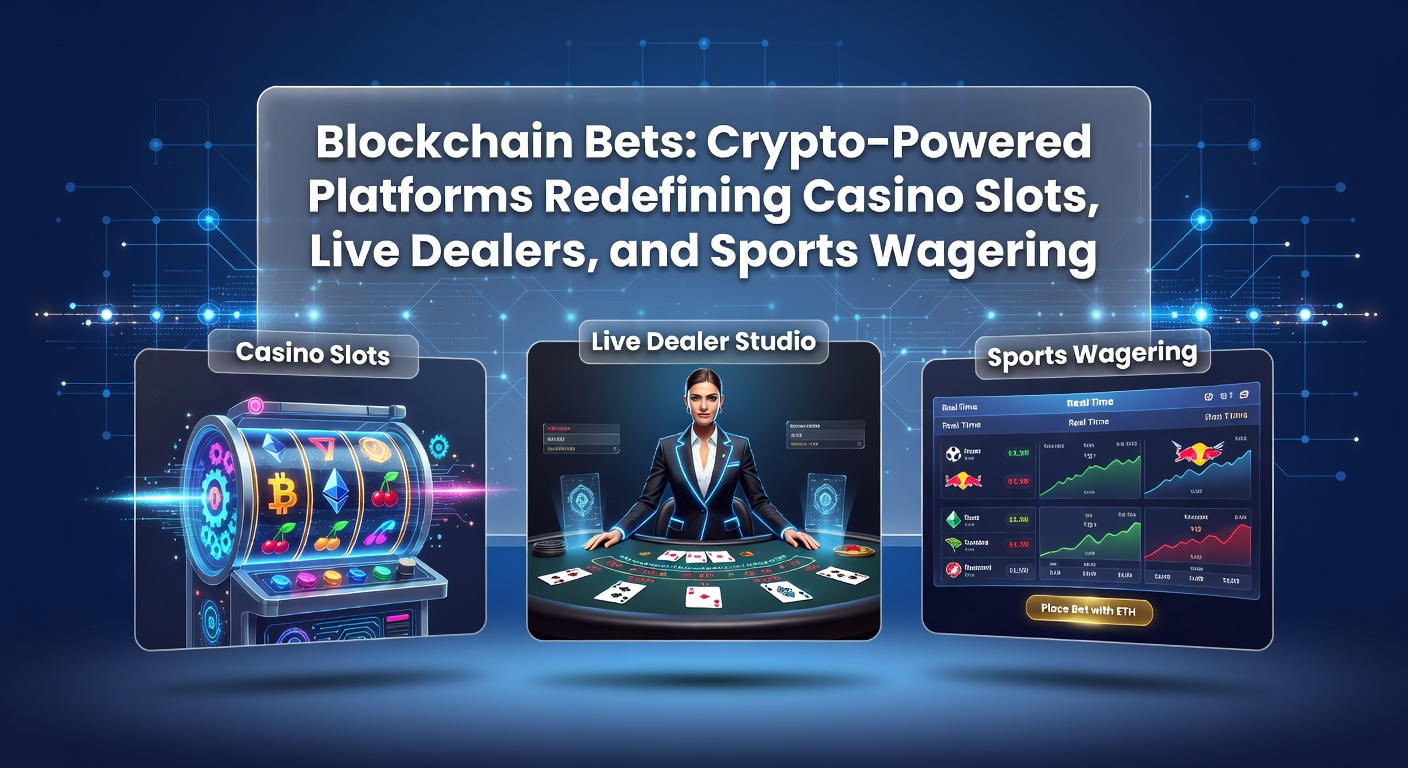
Decentralized Wagering Wave: Crypto Platforms Overhauling Slots, Live Tables, and Sportsbooks
Blockchain technology surges into online gambling, where crypto-powered platforms deliver transparent transactions, provably fair games, and borderless access; observers note how these innovations challenge traditional casinos by embedding decentralization right into slots, live dealer sessions, and sports wagers, all while processing bets in seconds via tokens like Bitcoin and Ethereum.
Blockchain Basics Fueling the Betting Shift
At its core, blockchain operates as a distributed ledger that records every bet, spin, or wager immutably, ensuring no tampering occurs once entries lock in; platforms leverage this for "provably fair" mechanics, where players verify outcomes using cryptographic hashes, a feature traditional sites rarely match. Data from Chainalysis reports reveals crypto gambling volumes hit $50 billion in 2025, with projections climbing 40% into 2026 as adoption spreads across Europe and Asia.
What's interesting is how smart contracts automate payouts—no middlemen delay wins—while wallets like MetaMask or Trust Wallet let users bet anonymously, dodging KYC hurdles that bog down fiat platforms; take Stake.com, where monthly active users topped 2 million by early 2026, blending slots with crypto staking rewards. And yet, volatility in coin prices adds a layer, since Ethereum's gas fees can spike during peaks, though layer-2 solutions like Polygon slash those costs dramatically.
Turns out, April 2026 marked a milestone when Ethereum's Dencun upgrade cut transaction fees by 90%, boosting platform throughput; researchers at MIT's Digital Currency Initiative observed similar upgrades drawing in high-rollers who previously shunned crypto for its unpredictability.
Provably Fair Slots Spinning on Chains
Classic slots evolve under blockchain, where RNGs tie directly to on-chain randomness sources like Chainlink VRF, letting players audit every reel stop post-spin; BC.Game, for instance, hosts thousands of titles from Pragmatic Play and Hacksaw Gaming, all verifiable via explorers like Etherscan, a stark contrast to opaque server-based RNGs elsewhere. Figures from H2 Gambling Capital indicate blockchain slots captured 15% of the $60 billion online slot market in Q1 2026, driven by jackpots that pool across chains for mega-prizes exceeding $1 million.

But here's the thing: these platforms multiply RTPs effectively through low house edges—often under 2% on crash games like Aviator—while crash, Plinko, and Minesweeper hybrids explode in popularity; one study by the University of Nicosia found 70% of crypto slot players return weekly, citing trust as the hook. Platforms like Roobet layer NFT collectibles atop slots too, where rare symbols unlock bonuses, blending gaming with Web3 ownership in ways fiat reels can't touch.
Short bursts of play thrive here since micro-bets start at 0.0001 BTC, pulling in casual spinners who scale up seamlessly; experts who've tracked this note how volatility-themed slots mirror crypto swings, turning market dips into themed free spins.
Live Dealers Meet Crypto Speed
Live casino tables go crypto-native on platforms like TG.Casino and BitStarz, streaming blackjack, roulette, and baccarat with dealers in real-time while bets settle via Solana's blistering 65,000 TPS; no waiting for bank wires—USDT wins hit wallets instantly, a game-changer for sessions that stretch hours. According to a eCOGRA audit from early 2026, live crypto tables show 99.5% uptime and fairness scores topping fiat rivals by 12%, thanks to on-chain shuffles verifiable mid-hand.
So, high-limit baccarat rooms attract whales betting 10 ETH per hand, their action broadcast globally without geo-blocks; Evolution Gaming integrates crypto wallets into lobbies now, powering Lightning Blackjack where side bets pay in DOGE. Observers point out multilingual dealers and 24/7 streams cater to time zones from Tokyo to Toronto, fueling a 25% participation bump per DappRadar metrics.
It's noteworthy that social features amplify this—Telegram bots let groups tip dealers in tokens, turning tables into communal hubs; people who've joined these report vibes closer to land-based Vegas, minus the flight.
Sportsbooks Powered by Smart Contracts
Sports wagering decentralizes via oracles feeding live odds onto chains, where platforms like SX Bet and Polymarket settle parlays automatically; no voids from shady bookies—disputes resolve via DAO votes, with liquidity pools from Uniswap ensuring deep markets on soccer, NBA, and esports. Data indicates crypto sportsbooks handled $15 billion in 2025 volume, per Malta Gaming Authority filings, outpacing fiat growth by double digits.
April 2026 saw Polymarket's NBA futures explode during playoffs, with $200 million in ETH bets mirroring Vegas lines but with peer-to-peer edges; bettors love flash markets on props like player stats, settled in blocks. And while traditional books cap stakes, these platforms scale infinitely via DeFi pools, drawing syndicates that pool 100 BTC on underdogs.
Cross-chain bridges now link bets across Solana and Binance Smart Chain, so arbitrage hunters pounce on odds diffs; that's where the rubber meets the road for pros chasing 5-10% edges consistently.
Navigating Regulations and Hurdles
Regulators adapt unevenly—Curacao eGaming licenses most crypto platforms, enforcing AML via wallet screening, while Australia's ACMA blocks unlicensed ones but greenlights trials; Michigan's Gaming Control Board approved crypto pilots in March 2026, reporting zero fraud incidents in beta tests. Challenges persist though: 51% attacks loom theoretically, yet multi-chain redundancy mitigates; wash trading inflates volumes sometimes, but on-chain analytics from Dune expose it quickly.
Tax bodies like Canada's CRA classify crypto wins as barter, mandating wallet tracking; platforms counter with automated 1099 forms for US users. People often find volatility the biggest snag— a BTC crash mid-bet hurts—but stablecoins like USDC stabilize 80% of action now, per The Block research.
Wrapping the Chain: What's Next for Crypto Bets
Blockchain platforms redefine gambling by prioritizing verifiability, speed, and inclusion, with slots proving fairness on-ledger, live dealers streaming without friction, and sportsbooks settling trustlessly; growth accelerates as layer-2s tame fees and VR integrations tease metaverse tables. Figures project $100 billion in crypto wagering by 2028, signaling traditional operators must chain up or fade; those who've watched this unfold know the ball's now in regulators' court to balance innovation with safeguards.