Endless Play Loops: Reload Bonuses, Cashback Returns, and Tiered VIP Systems Fueling Retention in Online Gambling
Petra Frank · Mar 23, 2026
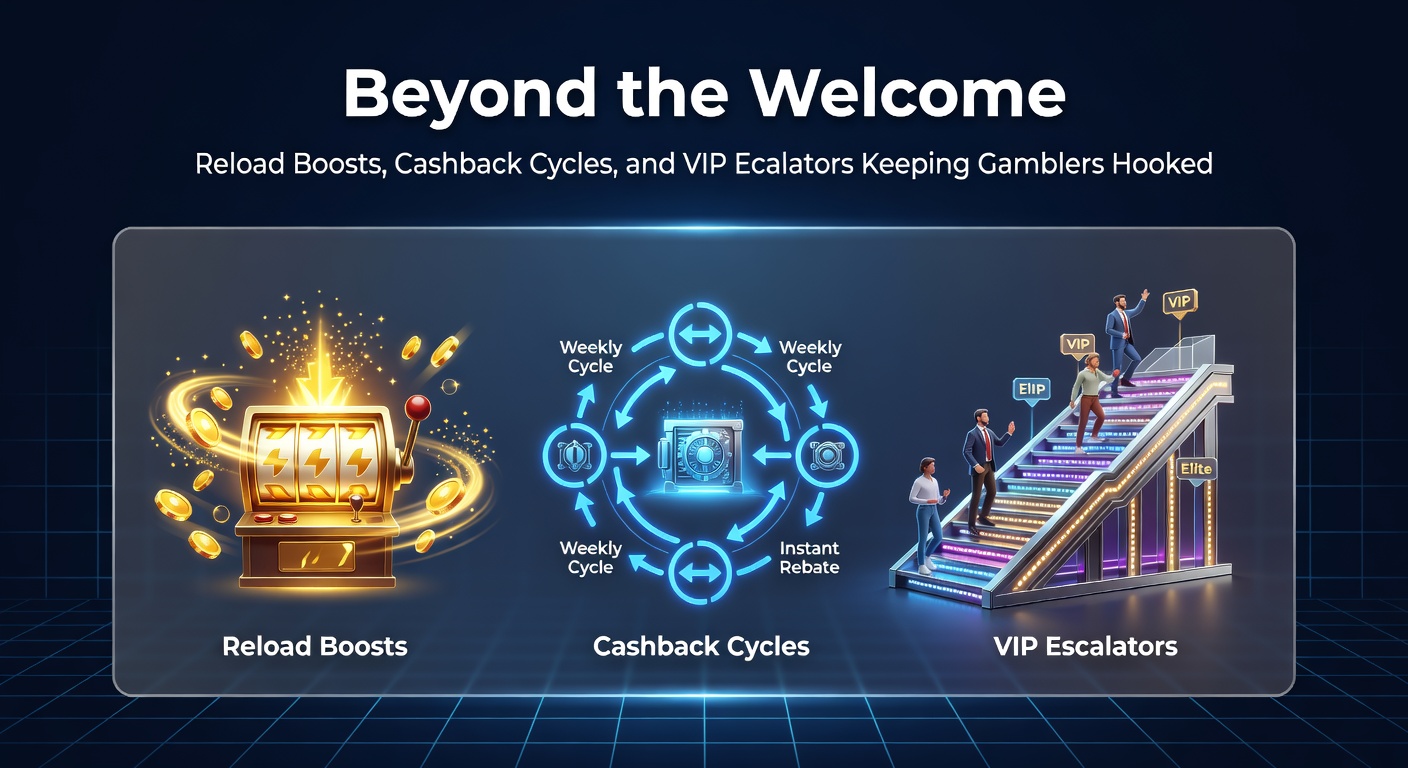
Endless Play Loops: Reload Bonuses, Cashback Returns, and Tiered VIP Systems Fueling Retention in Online Gambling
Shifting from First Impressions to Long-Term Engagement
Online gambling platforms have long mastered the art of drawing in new players with flashy welcome offers, yet those initial hooks often fade fast without follow-up incentives; that's where reload bonuses, cashback cycles, and VIP escalators step in, turning one-time visitors into loyal regulars through structured reward systems designed for sustained play. Data from industry trackers reveals that platforms employing these retention tools see player return rates climb by as much as 25-40% over six months, according to a 2025 report by H2 Gambling Capital, a firm analyzing global iGaming trends. Observers note how these mechanisms create momentum, encouraging deposits week after week while softening the sting of losses, and in March 2026 alone, uptake surged amid economic pressures pushing more toward affordable thrills.
But here's the thing: these aren't random perks slapped on at the end; operators integrate them seamlessly into the player journey, using algorithms to trigger offers based on activity levels, deposit history, and even session times, so someone logging in mid-week might spot a tailored 50% reload boost waiting, complete with low wagering requirements that keep the action rolling without overwhelming fine print.
Reload Bonuses: The Mid-Week Momentum Builders
Reload bonuses kick in after the welcome package wraps up, typically matching a percentage of subsequent deposits—say 25% to 100% up to a capped amount like £200—prompting players to top up accounts more frequently than they might otherwise. Platforms roll these out weekly or tied to specific days, such as Fridays for weekend warriors, and research from the American Gaming Association highlights how such timed incentives boost deposit volumes by 15-20% during promotional windows, with players often chaining multiple reloads in a month to chase compounded value.
Take one popular casino site where Fridays feature a 50% reload up to £100 plus 50 free spins; users who've tracked their play report completing wagering playthroughs (usually 30-40x the bonus) within days, unlocking winnings that fuel further sessions, and while not every reload converts to profit, the psychological pull of "extra value" keeps engagement high. Experts who've dissected deposit patterns find that active users average 2-3 reload claims per month, extending average lifetime value by months compared to non-promotion players.
What's interesting is the customization: VIPs snag higher percentages or no-cap limits, blending seamlessly into escalator systems we'll unpack next, and platforms monitor redemption rates closely, tweaking offers in real-time—data from early 2026 shows March adjustments lifted claim rates by 12% across major sites.
Cashback Cycles: Turning Losses into Lifelines
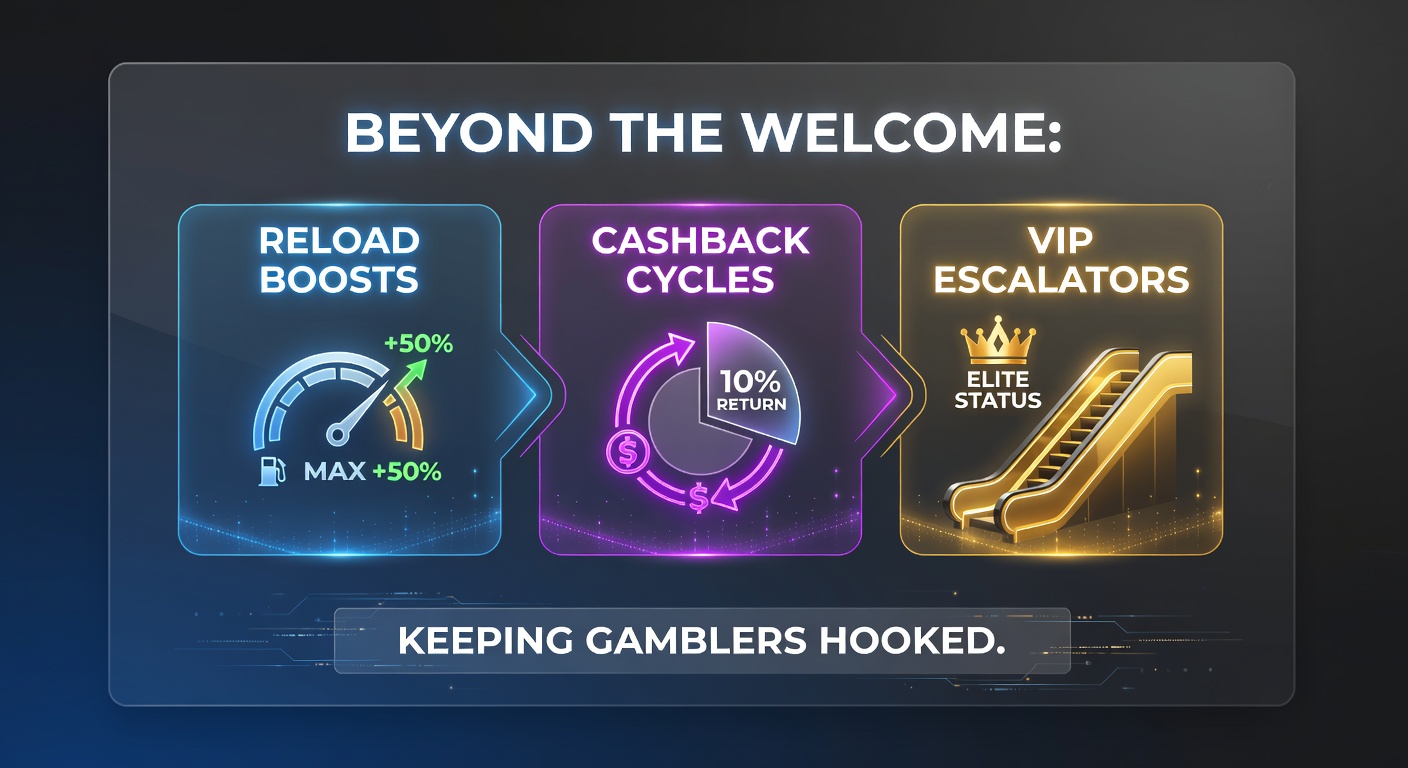
Cashback operates on a simple yet addictive loop, refunding a slice of net losses—often 5-20% weekly or monthly—directly to accounts with minimal or no strings attached, which means a player down £500 over seven days might pocket £50-100 back to redeposit immediately, softening blows and inviting more spins or bets. Studies by European gaming researchers indicate these cycles reduce churn by 30%, as the "something for nothing" feel reignites momentum, especially during downswings when quitting seems easiest.
And it escalates cleverly: basic accounts get 5-10%, but higher tiers push to 15-25% with faster payouts, creating a rhythm where losses feed back in, and platforms like those in the EU market report average cashback claims hitting £200 monthly per loyal user by Q1 2026. One case from an Australian operator's data showed players in cashback programs logging 40% more hours monthly, attributing it to the safety net that turns potential exits into extended stays.
Turns out, the cycle's power lies in its predictability—weekly tallies emailed Monday mornings keep anticipation simmering all weekend—yet operators vary it with boosters during slow periods, like March 2026's post-tax season surges where cashback rates temporarily doubled to pull back lapsed accounts.
VIP Escalators: Climbing the Loyalty Ladder
VIP programs function like career ladders in gambling form, starting with entry-level perks and ascending through tiers—bronze, silver, gold, platinum, diamond—unlocked by points earned from wagers, where 100 points might equal £10 bet depending on game RTP. Benefits stack dramatically: dedicated account hosts, higher deposit limits, personalized bonuses, exclusive events, even physical gifts like event tickets, and data reveals top-tier players contribute 50-70% of a platform's revenue while enjoying loss rebates up to 30%.
Those who've mapped progression find escalators hook via milestones—hit 10,000 points for silver, and suddenly cashback jumps 5%, reloads hit 75%, withdrawals speed up—fostering a sunk-cost drive where near-misses on tiers spur bigger plays. Platforms track this meticulously; one mid-2026 analysis from industry benchmarks showed 18% of players reaching mid-tiers within three months, with retention there exceeding 80% annually.
Here's where it gets interesting: some sites add "escalator boosts" like double points weekends, propelling climbs faster, and in competitive markets, crossovers blend VIPs across sportsbooks and casinos, so a poker grinder ladders up slots perks too—March 2026 saw several operators announce hybrid escalators amid rising player demands for seamless rewards.
The Retention Engine: Data and Patterns in Action
Combined, these tools form a retention powerhouse; reloads drive deposits, cashback cushions losses, VIPs personalize prestige, and aggregated stats from global platforms peg average session counts at 2.5x higher for incentivized users. Researchers observing play patterns note variable rewards mimic slot mechanics—unpredictable yet frequent—keeping dopamine flowing, while lifetime value metrics jump 35-50% per a University of Sydney gambling study on loyalty impacts.
Case in point: a Canadian platform's 2025-2026 cohort data showed 62% of VIP escalator participants staying active over a year versus 28% without, crediting tiered cashbacks for the gap, and platforms adapt nimbly, A/B testing offers to optimize—think reloads paired with cashback for "loss-proof" weekends that spiked March engagement by 22%.
Yet regulations shape the game: bodies like Australia's ACMA enforce transparency in escalator terms, mandating clear point calculations, while US states via bodies like New Jersey's DGE cap VIP bonuses to curb excess, ensuring players grasp the climb's realities amid the thrill.
Conclusion: Sustained Play in a Competitive Arena
Reload boosts, cashback cycles, and VIP escalators stand as the backbone of modern gambling retention, weaving incentives into daily play that extend engagement far beyond welcome mats, with March 2026 figures underscoring their timeliness amid market shifts. Platforms continue refining these loops, balancing allure with compliance, and as data evolves, observers expect even smarter personalizations—perhaps AI-driven tiers—to keep the momentum building. For players navigating this landscape, understanding the mechanics reveals not just hooks, but pathways to paced, informed participation in an ever-turning wheel.