24 Jun 2026
Examining Volatility Effects on Rollover Fulfillment in Online Casino Bonus Structures
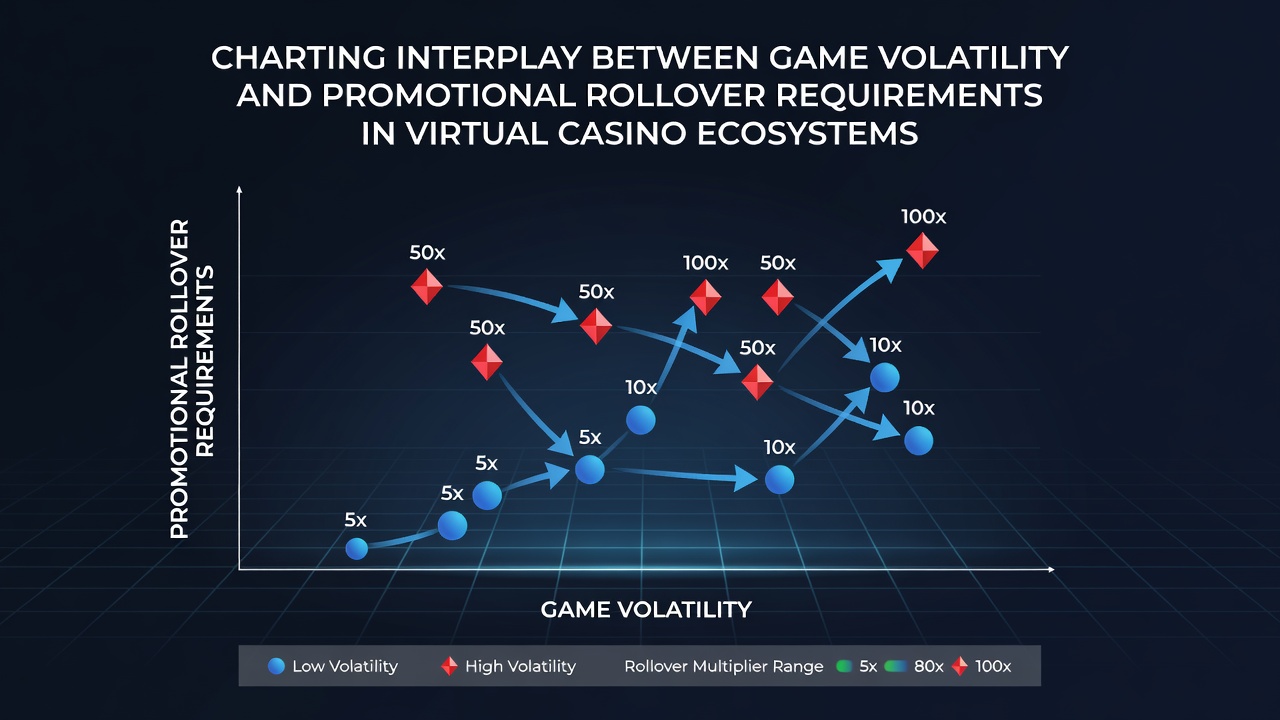
Game volatility describes the frequency and size of payouts in virtual casino titles, while promotional rollover requirements set the wagering multiples players must complete before accessing bonus winnings, and researchers have tracked how these elements interact within virtual casino ecosystems since the expansion of remote gambling markets. Data from industry analyses show that high-volatility slots generate infrequent but substantial wins, which can extend the time needed to satisfy rollovers that often range from 20x to 50x the bonus amount, whereas low-volatility games deliver smaller, steadier returns that allow quicker progress through those same thresholds.
Observers note that medium-volatility titles occupy a middle ground where payout patterns balance risk and consistency, and studies compiled by academic institutions indicate this category sometimes aligns best with moderate rollover demands because players encounter enough wins to maintain bankroll stability without long dry spells. In June 2026 industry figures revealed continued growth in bonus-linked play across multiple regions, with operators adjusting terms in response to player behavior patterns documented in regulatory filings from bodies such as the Nevada Gaming Control Board.
Defining Volatility Categories in Virtual Slot Libraries
Volatility classifications emerge from statistical models that measure payout distribution over thousands of spins, and developers publish these metrics alongside return-to-player percentages so players can anticipate session outcomes. High-volatility games concentrate returns in rare large payouts, which means extended sequences of small or zero returns occur regularly, while low-volatility options spread smaller wins more evenly across spins. Those who have examined extensive gameplay datasets find that volatility directly influences how long a player can sustain activity when bonus funds carry attached wagering conditions.
Software providers release volatility ratings through independent testing labs, and these ratings help platforms categorize games within promotional campaigns. Players often select titles based on these labels when they receive bonuses with specific completion windows, because the underlying math determines whether a given game accelerates or delays progress toward clearing the requirement.
Rollover Mechanics and Their Structural Components
Promotional rollover requirements specify the total amount a player must wager before bonus funds convert to withdrawable cash, and operators calculate these multiples against either the bonus alone or the combined deposit-plus-bonus figure. Standard structures include game-type weighting, where slot wagers contribute 100 percent toward completion while table games may count only 10 or 20 percent, and time limits that range from seven to thirty days. Figures from research reports issued by organizations such as the Victorian Responsible Gambling Foundation demonstrate that these parameters vary significantly across jurisdictions and platforms.
Contribution caps per spin or per bet further shape how quickly requirements can be met, and high-stakes players sometimes encounter maximum bet restrictions during bonus play that limit exposure on volatile titles. Data indicates these layered rules create measurable differences in completion rates depending on the volatility profile of games chosen during the promotional period.
Observed Interactions Between Volatility and Rollover Demands
Analyses of player session logs show that high-volatility games paired with high-multiplier rollovers produce lower average completion percentages because long sequences without meaningful returns deplete bonus balances before the threshold is reached. Low-volatility selections, by contrast, generate consistent small credits that accumulate toward the required wagering total at a steadier pace, although the overall return profile remains modest. Medium-volatility games frequently appear in recommended lists for bonus play precisely because their payout rhythm supports sustained activity without the extremes of either category.
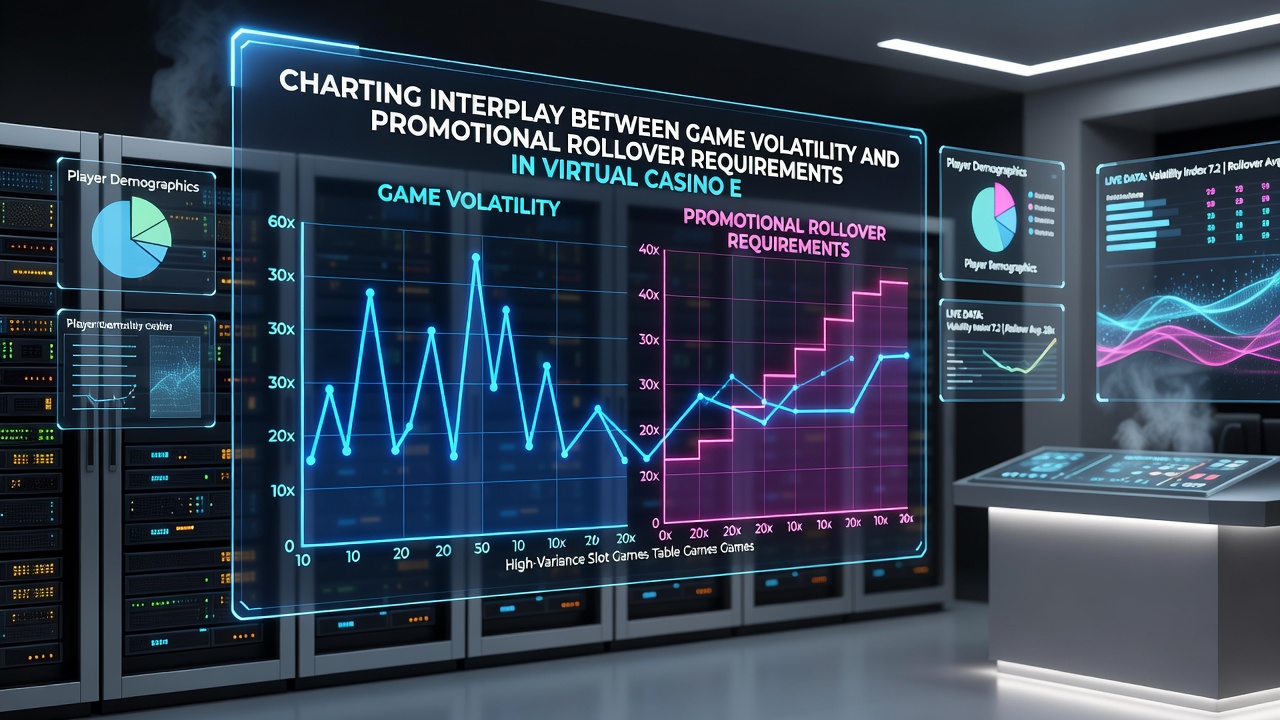
Platform algorithms sometimes adjust game recommendations during active bonuses to steer players toward titles whose volatility matches the remaining wagering volume, and internal metrics shared in industry presentations suggest this guidance increases completion rates by measurable margins. External research compiled by university-affiliated gambling studies centers confirms that players who match volatility to rollover size complete requirements more frequently than those who select games without regard to these factors.
Regional Regulatory Influences on These Dynamics
Regulatory frameworks in various jurisdictions impose transparency rules around both volatility disclosure and bonus terms, and operators must publish clear information to maintain licensing compliance. Canadian provincial regulators, for instance, require detailed game information sheets that include volatility indicators, while similar expectations exist in Australian state licensing conditions. These mandates allow players to review data before committing to bonus offers that carry substantial rollover obligations.
Compliance reports issued in 2026 highlighted ongoing refinements to how platforms present combined volatility and wagering information, with some operators introducing filters that let users sort games by both metrics simultaneously. Such tools emerged after consultation with player advocacy groups and reflect broader efforts to align promotional structures with documented gameplay patterns.
Conclusion
The documented relationship between game volatility and promotional rollover requirements continues to shape how virtual casino ecosystems structure bonuses and how players approach them. Statistical patterns drawn from large-scale session data illustrate clear differences in completion outcomes across volatility tiers, and operators respond by refining both game libraries and promotional parameters. Continued monitoring by regulatory bodies and research institutions provides the factual basis for understanding these interactions as markets evolve through 2026 and beyond.