How Payment Methods Influence Bonus Redemptions in Integrated Gambling Platforms
Tina Sullivan · Jun 1, 2026
How Payment Methods Influence Bonus Redemptions in Integrated Gambling Platforms
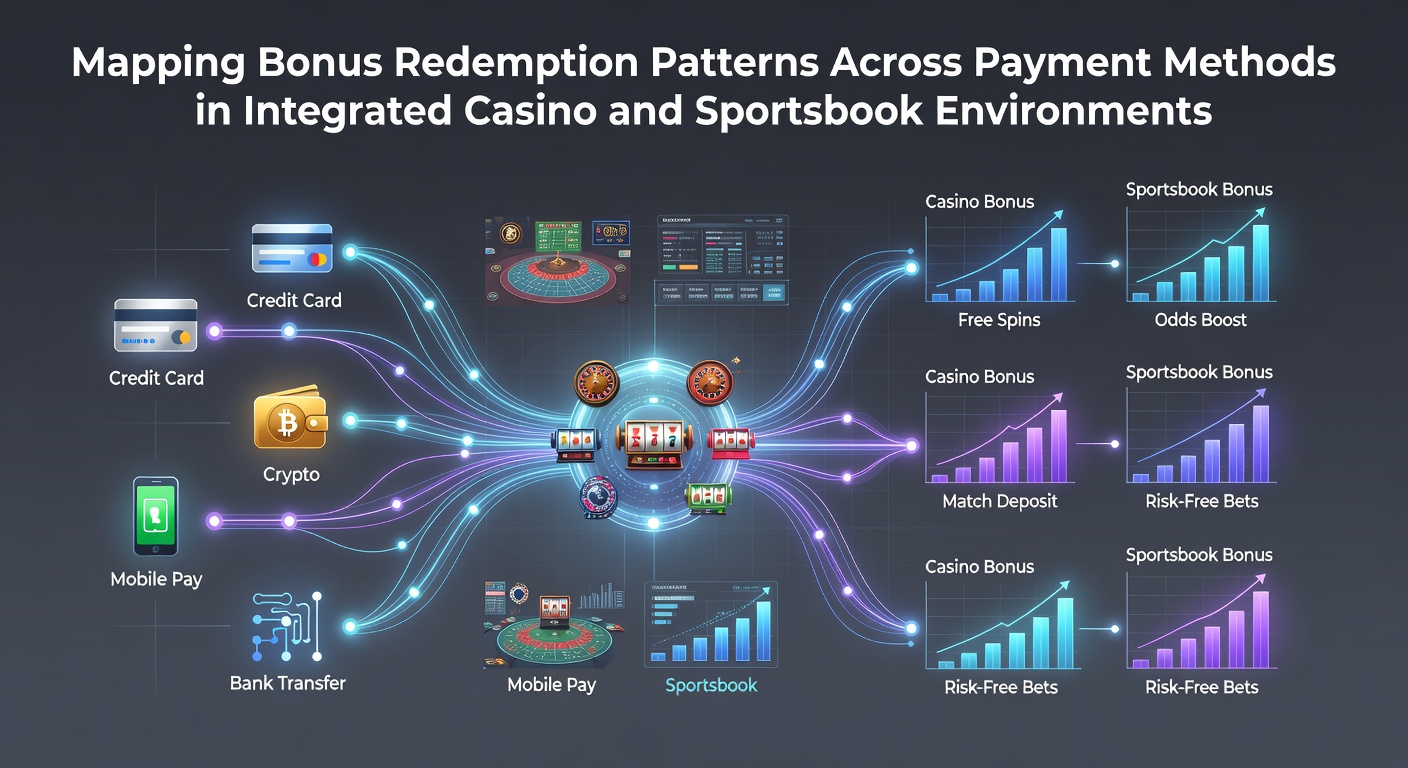
Integrated casino and sportsbook environments have created new layers of complexity when it comes to tracking how players redeem bonuses, and payment methods sit at the center of these patterns. Operators combine slots, table games, and sports wagers on single accounts, which means bonus funds often move between verticals depending on the deposit channel used. Research from industry reports indicates that redemption behavior shifts noticeably when players switch from traditional cards to e-wallets or digital currencies, and data collected through mid-2026 highlights measurable differences in completion rates and timing.
Payment Channels adn Their Distinct Redemption Profiles
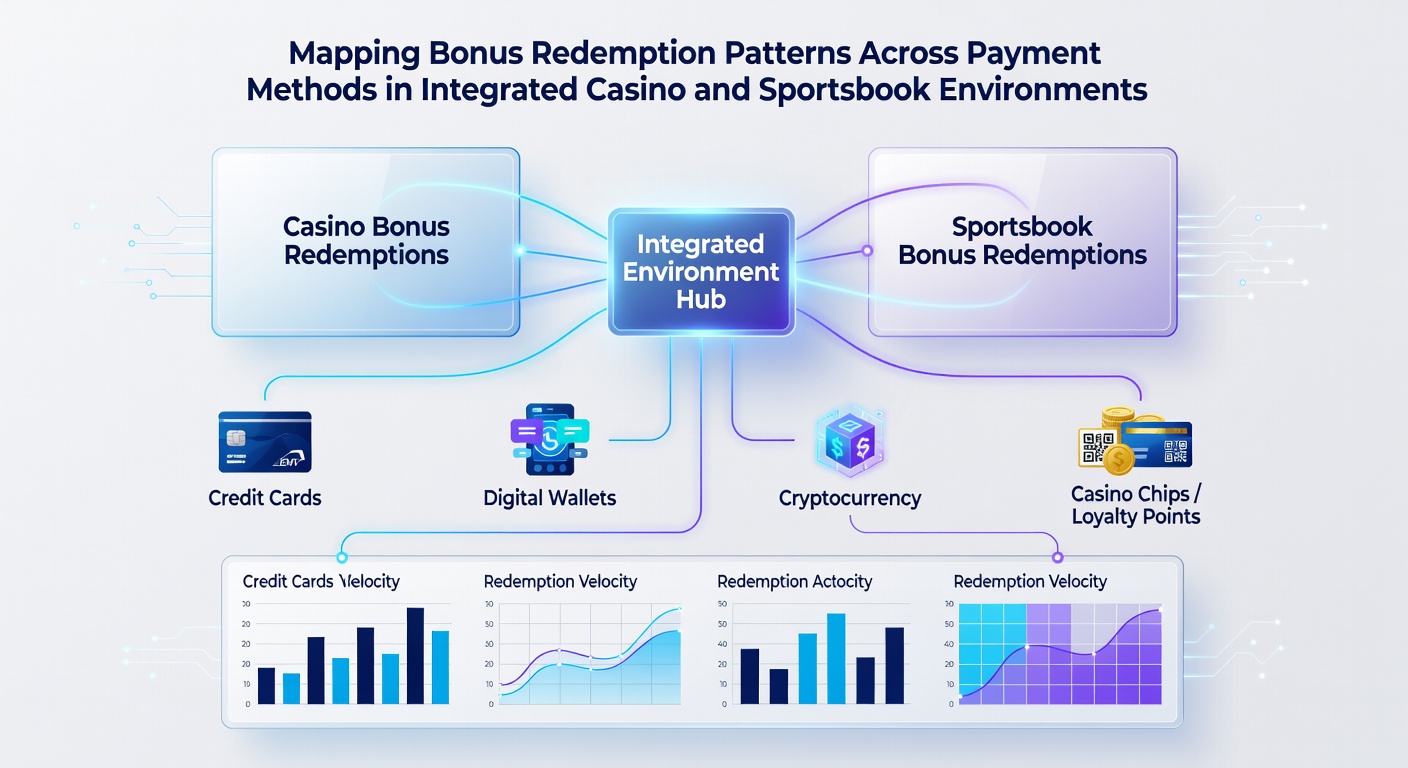
Credit and debit card deposits remain the most common entry point, yet they show slower bonus redemption cycles compared with faster alternatives. Players who fund accounts through cards tend to complete wagering requirements over longer periods because processing delays and potential chargeback concerns slow momentum. In contrast, e-wallet transactions such as those processed through Skrill or Neteller allow quicker movement of bonus funds once initial playthrough conditions are met, and figures from operator dashboards reveal higher same-week redemption percentages for these methods.
Cryptocurrency deposits add another dimension. Platforms accepting Bitcoin or stablecoins record elevated redemption activity among high-volume users who move between casino sessions and live sports betting without waiting for banking approvals. A study released in June 2026 by the European Gaming and Betting Association documented that crypto-funded accounts redeemed an average of 18 percent more bonus value within the first 48 hours after qualifying bets cleared, while bank transfer users lagged behind by several days on average.
Integrated Platform Dynamics
Because casino and sportsbook products share the same wallet in most modern systems, bonus redemption patterns reflect cross-product usage. Players who deposit via instant methods often allocate redeemed funds toward live betting markets first, then shift remaining balances to slot sessions once sports events conclude. This sequencing appears consistently in analytics shared by platforms operating across multiple European and North American jurisdictions.
Observers note that loyalty programs tied to integrated environments further shape these flows. Tiered rewards attached to specific payment methods encourage users to stick with one channel, which in turn creates predictable redemption clusters. For instance, VIP cashback offers linked to e-wallet activity show stronger uptake during major sporting tournaments, while card-based loyalty tiers see steadier but smaller redemptions spread across regular casino play.
Regulatory and Operational Factors
Regional rules influence how quickly operators can release redeemed bonuses. Jurisdictions that require source-of-funds verification before payout processing create longer holding periods for card deposits than for prepaid or crypto options, and compliance teams adjust internal workflows accordingly. Reports from gaming authorities in Malta and Ontario indicate that streamlined verification for certain digital wallets has reduced average redemption timelines by up to 30 percent since early 2025.
Technical integrations between payment processors and bonus engines also matter. Real-time API connections allow platforms to flag when a bonus has cleared playthrough thresholds and immediately credit the main balance, whereas batch-processed methods introduce daily or weekly reconciliation steps that delay access. Those who've examined platform logs across multiple operators find that these backend differences account for much of the variance in reported redemption speeds.
Emerging Trends Through June 2026
Recent datasets show rising adoption of instant bank transfer services in several markets, and early indicators suggest these methods are beginning to close the gap with e-wallets on redemption speed. At the same time, hybrid bonuses that apply across both casino and sportsbook verticals have increased the number of redemption pathways available within a single account. Analysts tracking these developments point to continued growth in multi-channel activity as operators refine their bonus structures to match player preferences revealed through payment data.
Conclusion
Mapping bonus redemption patterns across payment methods in integrated environments reveals consistent differences driven by processing speed, verification requirements, and cross-product flexibility. Data collected through June 2026 demonstrates that e-wallets and cryptocurrencies currently lead in rapid redemptions, while card and bank transfer channels follow more measured timelines. Operators continue to adjust bonus mechanics and technical integrations to align with these observed behaviors, and future reporting will likely refine these maps as new payment options and regulatory frameworks emerge.