15 Jul 2026
Interwoven Pathways: Linking Payment Choices to Enhanced Play in Combined Sports, Casino, and Poker Settings
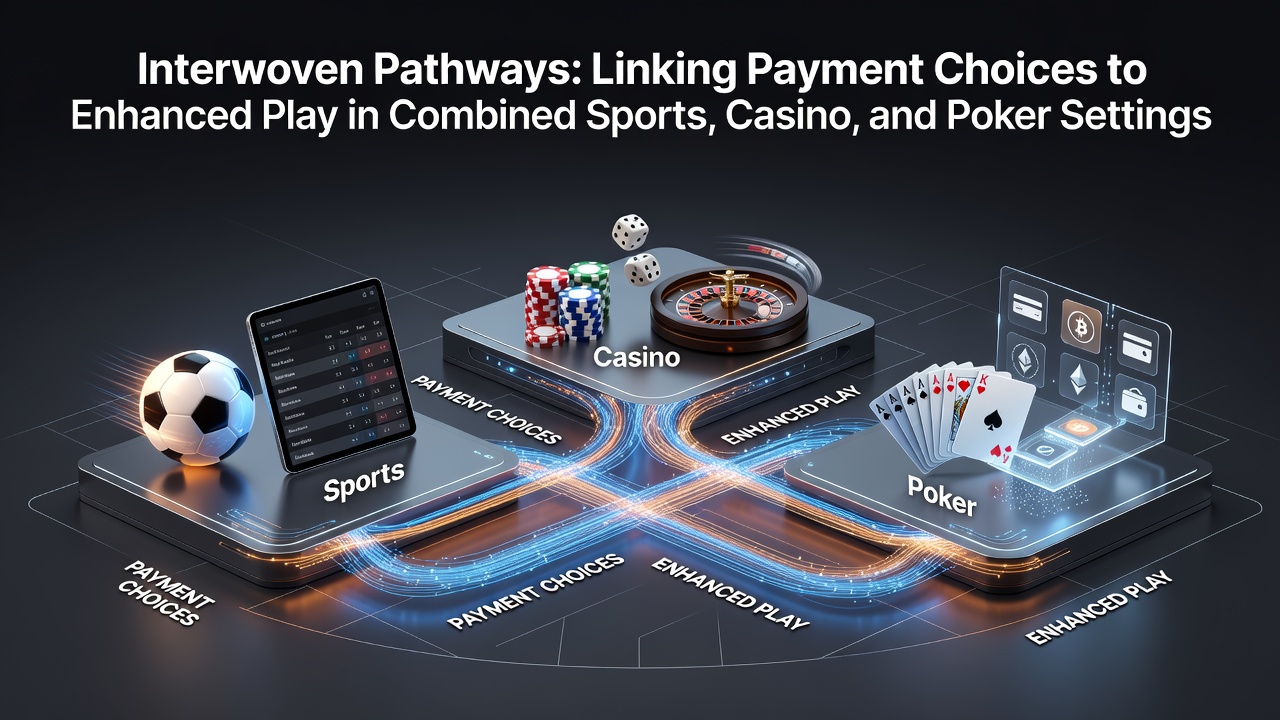 Payment systems serve as the connective tissue in hybrid gambling environments where sportsbooks, casino floors, and poker rooms operate under one account. Operators have expanded these unified platforms since the mid-2020s, and users move between live sports wagers, slot sessions, and tournament tables without separate logins or repeated verifications. Data from industry reports shows that seamless transaction flows increase session continuity across product types, because deposits made through one method credit instantly to all sections of the site. Electronic wallets such as Skrill and Neteller handle both deposits and withdrawals at high speeds, which matters when a user finishes a poker hand and wants to place an in-play bet on a football match moments later. PayPal integration adds another layer for regions where it supports gambling transactions, allowing direct transfers that bypass slower bank processing times. These methods reduce friction because the same balance appears across sports odds, casino reels, and poker buy-ins without manual transfers between internal wallets.
Transaction Speed and Cross-Product Access
Studies from research bodies indicate that platforms offering same-day or instant payouts retain users longer when multiple verticals remain available. In July 2026, several operators introduced enhanced API connections between payment processors and their backend systems, enabling real-time balance updates that reflect across sports, casino, and poker interfaces simultaneously. Users who deposit via crypto options, for instance, often see funds appear in under ten minutes, which supports spontaneous shifts from a blackjack table to a live sports market.
Bank transfers still exist for larger amounts, yet they require planning because processing windows can span one to three business days. Those delays become noticeable when players attempt to chase a poker tournament that starts within hours or to cover margin calls on live sports events. Faster alternatives therefore create measurable differences in how frequently participants engage with every available product.
Bonus Structures Tied to Payment Methods
Promotional offers frequently link specific deposit types to enhanced play across categories. A reload bonus credited through an e-wallet might apply automatically to casino spins while also unlocking a small sports betting credit and poker freeroll entry. Industry analyses reveal that these layered rewards encourage exploration of all sections rather than repeated visits to a single vertical.

According to data compiled by the Australian Communications and Media Authority, payment-linked promotions correlate with higher cross-category activity in licensed markets. Participants who activate a bonus through one processor often test poker formats they previously ignored because the same funds remain accessible without additional steps. This pattern holds in Canadian provincial systems as well, where regulated operators report similar distribution of play across products when deposit incentives span multiple offerings.
Security Protocols and Regulatory Alignment
Payment gateways incorporate multi-factor authentication and encryption standards that meet requirements set by bodies such as the Malta Gaming Authority and various state regulators in the United States. These safeguards protect user data while allowing rapid movement between verticals, because verification occurs once at the account level rather than per product. Observers note that platforms maintaining PCI-DSS compliance and regional licensing see fewer interruptions when users switch from depositing for a casino session to withdrawing poker winnings.
Transaction monitoring tools flag unusual patterns across all sections at once, which streamlines compliance without forcing users to manage separate security settings for sports, casino, or poker activity. This unified approach reduces the administrative load on operators while preserving the ability to move funds freely within the platform.
Regional Variations in Payment Preferences
European markets show stronger adoption of digital wallets for hybrid play, whereas North American users sometimes favor direct bank connections or prepaid cards depending on state rules. Research published by the University of Nevada, Reno gaming studies program highlights that payment availability directly influences how often players rotate between betting markets, table games, and card rooms on combined sites. Regions with broader processor support record steadier engagement across all three categories.
Emerging markets in parts of Asia and Latin America increasingly incorporate local instant-payment rails that mirror the speed of established e-wallets. These additions allow operators to serve international audiences without creating separate platform versions for each product type.
Conclusion
Payment infrastructure determines how fluidly participants navigate sports, casino, and poker offerings on integrated platforms. Faster, more versatile methods reduce barriers between verticals, and operators continue aligning processors with regulatory standards to maintain that connectivity. Figures from multiple oversight agencies demonstrate that transaction efficiency correlates with broader product usage, while slower options limit spontaneous shifts between sections. As systems evolve, the pathways created by deposit and withdrawal choices remain central to sustained activity across combined gambling environments.