Navigating Reward Ecosystems: How Layered Incentives Drive Shifts Between Reel Machines, Card Rooms, and Athletic Wagers
Tina Sullivan · Jul 31, 2026
Navigating Reward Ecosystems: How Layered Incentives Drive Shifts Between Reel Machines, Card Rooms, and Athletic Wagers
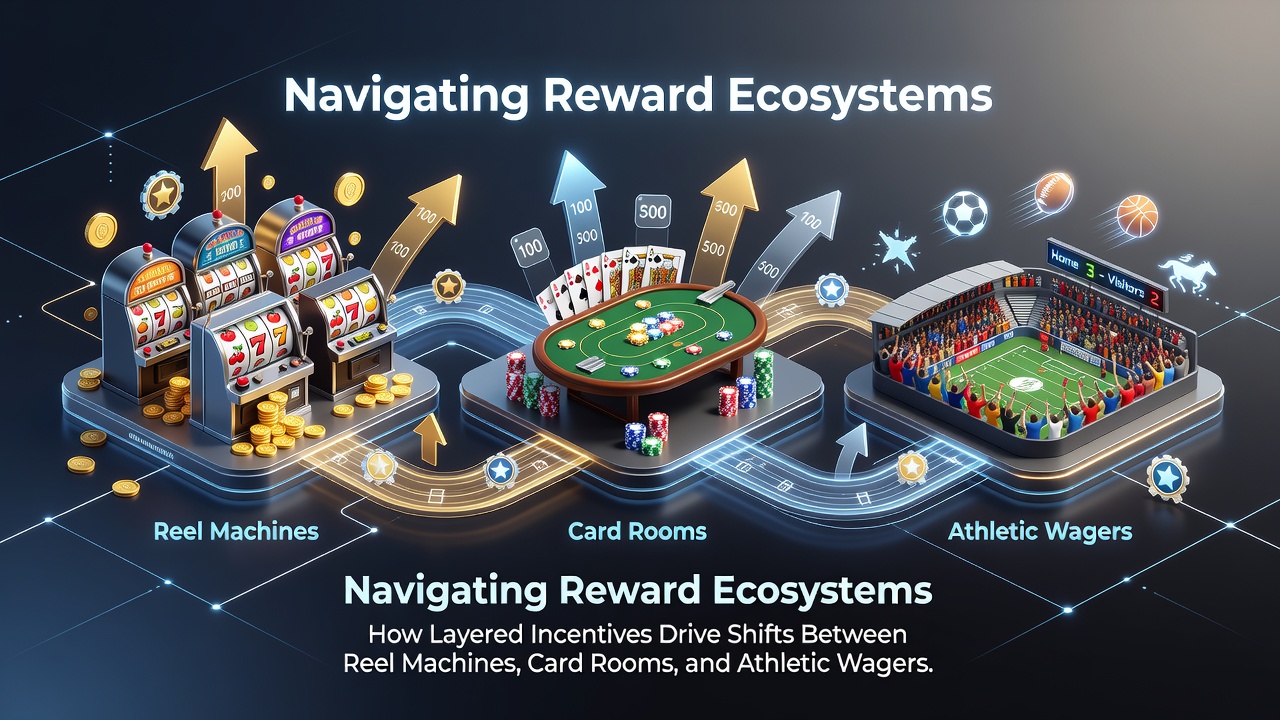
Data from multiple jurisdictions shows that operators increasingly structure rewards as interconnected layers, where points earned on reel machines convert into credits usable in card rooms or athletic wagers, and this design encourages players to sample different verticals rather than remain in one category. Research indicates that welcome packages often include deposit matches for slots alongside free tournament entries for poker, while ongoing reload offers extend to boosted odds on sports markets, creating pathways that move activity across formats when certain thresholds are met.
Mechanics of Cross-Vertical Reward Layers
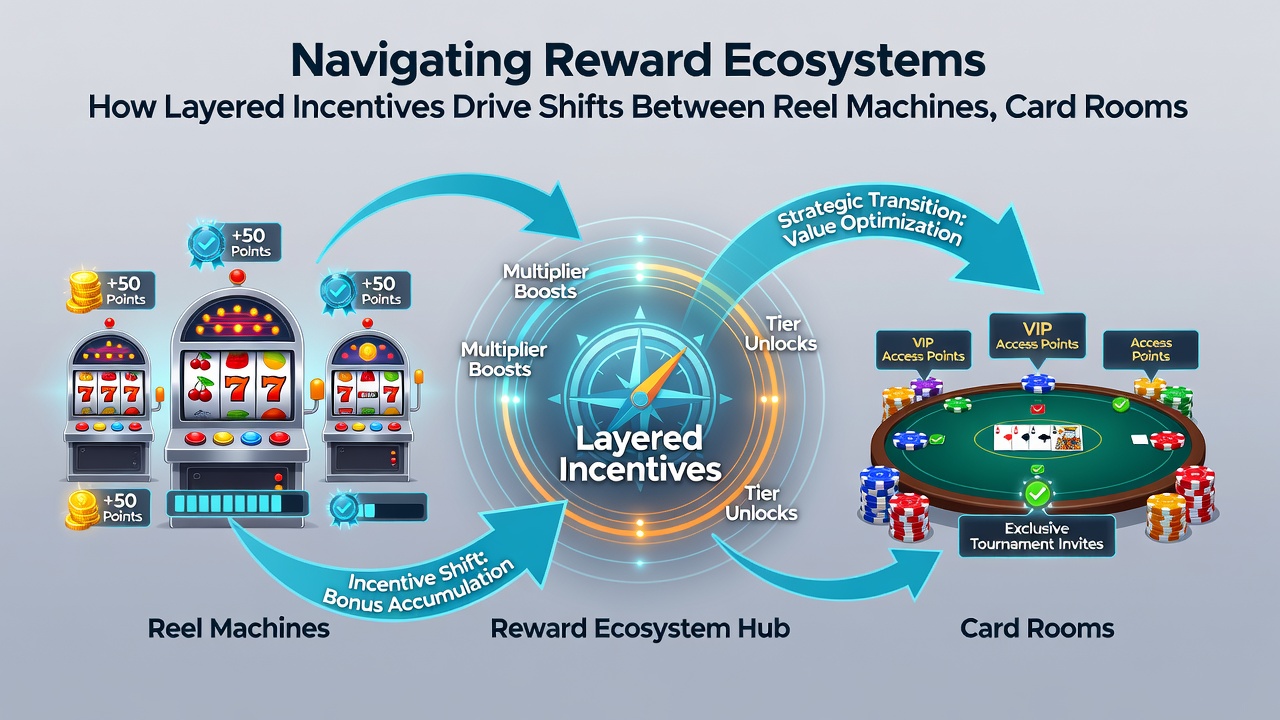
Operators build these systems by tying loyalty currencies to multiple product lines, so accumulated comps from high-volatility reel sessions unlock rake reductions in card rooms or cashback on losing sports bets, and this linkage becomes more pronounced as players climb tier levels. Figures from the Nevada Gaming Control Board reveal steady growth in cross-product play among patrons who qualify for tiered benefits, where a single account tracks progress across all offerings instead of isolating each game type.
Those who monitor player databases note that bonus wagering requirements frequently allow completion through mixed activity, permitting a slot-focused user to finish remaining playthrough by placing sports wagers or entering poker events, which in turn surfaces new incentives tailored to those verticals. This approach reduces friction for switching and sustains engagement when one category experiences temporary lulls in promotional value.
Observed Movement Patterns in 2026
By July 2026, platform analytics reported increased rotation between verticals coinciding with seasonal sports calendars and poker series schedules, as layered promotions timed around major events pulled reel enthusiasts toward athletic wagers while card room freerolls drew sports bettors seeking low-risk entry points. Evidence suggests that operators adjust incentive weighting dynamically, boosting poker rewards during slow sports periods and enhancing slot multipliers when tournament fields shrink, which sustains overall account activity without requiring players to seek external options.
Studies conducted by university research teams have tracked how VIP structures amplify these shifts, since higher tiers grant access to exclusive events that span multiple formats and often require minimum play across categories to maintain status. One analysis found that participants receiving unified loyalty statements showed higher retention rates when rewards bridged reel machines with card rooms and athletic wagers, because the perceived value of accumulated benefits increased when usable in varied contexts.
Regional Regulatory Influences on Incentive Design
Regulatory frameworks in various regions shape how these ecosystems function, with the Nevada Gaming Control Board requiring clear disclosure of conversion rates between loyalty currencies and different game types, while Australian state regulators emphasize responsible play limits that cap the velocity of cross-vertical redemptions. Such rules affect the pace at which players migrate between reel machines, card rooms, and athletic wagers, since operators must balance promotional appeal against compliance constraints.
Industry reports from the American Gaming Association highlight that unified wallet systems facilitate these movements by allowing seamless transfers of promotional balances, reducing the technical barriers that once kept activity siloed. Observers note that when operators introduce hybrid events, such as slot tournaments with sports betting side bets or poker leaderboards offering athletic wager credits, participation data shows measurable upticks in multi-vertical engagement among reward program members.
Impact on Player Behavior and Platform Metrics
Longitudinal data indicates that players exposed to layered incentives tend to diversify their activity more rapidly than those on single-vertical promotions, with average session counts rising across formats once conversion options become available. This diversification appears in metrics tracking time spent per vertical, where initial concentration in reel machines gives way to increased card room volume after loyalty milestones unlock poker-specific perks.
Further examination of transaction logs reveals seasonal spikes in athletic wagers among users who previously concentrated on slots, particularly when sportsbooks offer enhanced rewards funded partly through cross-product play requirements. Researchers have documented similar patterns in reverse, where sports bettors migrate toward poker rooms during off-peak betting windows because accumulated points convert into tournament buy-ins or cashback structures unavailable in betting markets alone.
Conclusion
Layered incentive structures continue to reshape how activity distributes across reel machines, card rooms, and athletic wagers by linking rewards in ways that reward exploration rather than specialization. Data from regulatory bodies and industry associations demonstrates measurable shifts tied to these designs, while compliance requirements influence the speed and transparency of such movements. As platforms refine these ecosystems, tracking patterns across verticals provides clearer insight into retention dynamics and revenue allocation without reliance on isolated promotional tactics.