Seamless Integration: Adaptive Interfaces Bridging Live Dealer Play and Sports Event Betting
Tina Sullivan · Aug 5, 2026
Seamless Integration: Adaptive Interfaces Bridging Live Dealer Play and Sports Event Betting
Platforms have developed systems that allow users to move between live dealer tables and sports wagering without switching accounts or applications, and these setups rely on adaptive interfaces that adjust layouts based on user activity and device type. Data from industry reports indicate that such unified accounts reduce session interruptions while maintaining separate balance tracking for casino and sports sections.
Core Features of Unified Account Systems
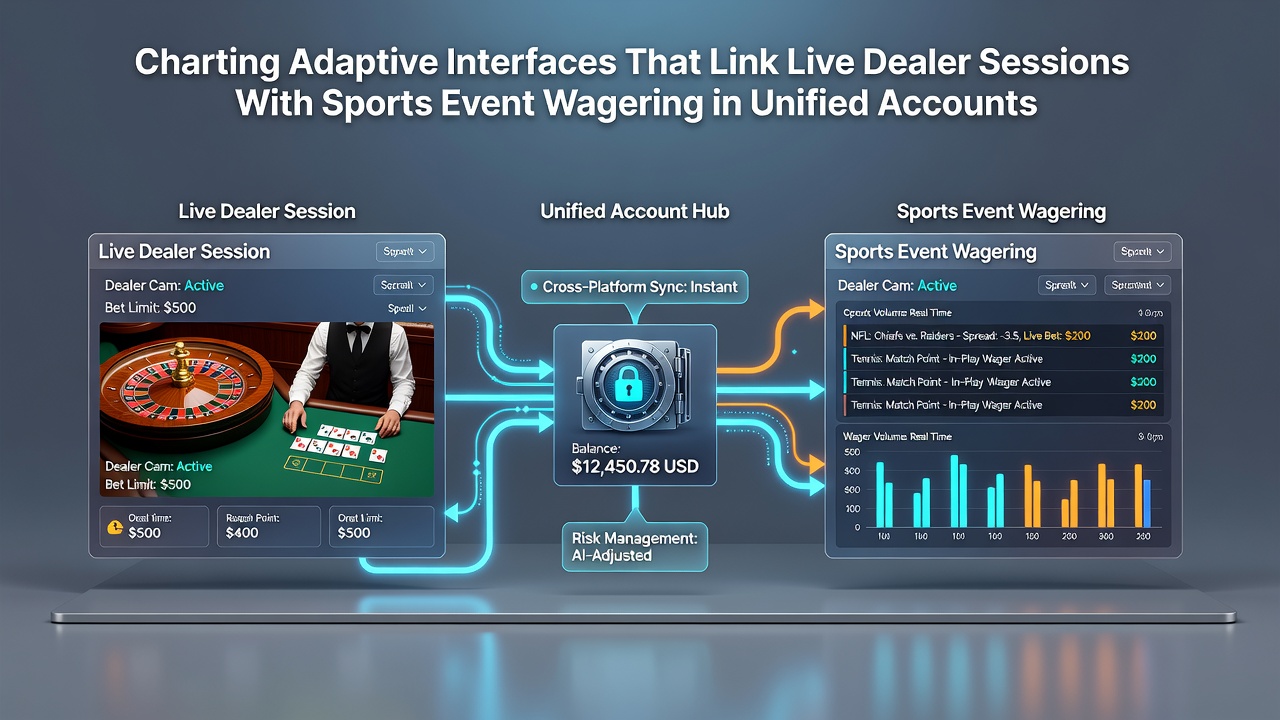
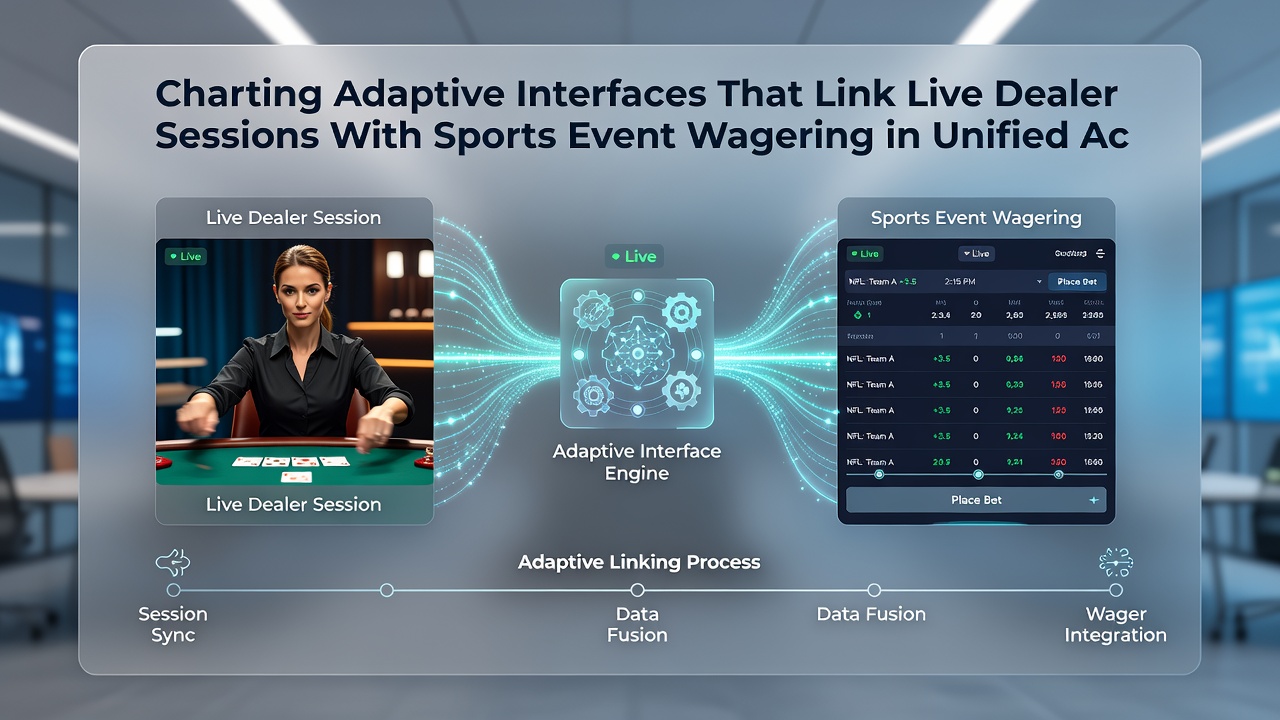
Developers design these interfaces to display live dealer feeds in one panel while sports odds update in another, and synchronization happens through backend APIs that pull real-time data from multiple providers. Users can place a wager on a football match and then switch to a roulette table in the same session, with the system preserving login credentials and transaction history across both areas. Research from the European Gaming and Betting Association shows that integrated platforms recorded higher average session durations compared to separate casino and sportsbook environments during 2025 testing phases.
Adaptive elements include dynamic resizing of video streams when a sports event enters a critical moment, such as a penalty kick or final lap, and the interface prioritizes notifications accordingly. Payment processing remains consolidated so deposits fund both live dealer chips and sports stakes from a single wallet, which simplifies compliance checks for operators.
Technical Architecture Behind the Connections
Backend infrastructure combines streaming protocols for live dealer video with odds management engines for sports events, and middleware layers handle the transitions so latency stays below noticeable thresholds. Observers note that cloud-based scaling supports thousands of concurrent sessions, particularly during major tournaments when live dealer traffic spikes alongside sports betting volume. In August 2026 several platforms rolled out enhanced mobile versions that use device sensors to detect orientation changes and reconfigure the split-screen view automatically.
Security protocols encrypt both data streams separately yet route them through the same user authentication layer, and this approach aligns with standards from regulatory bodies such as the Nevada Gaming Control Board. Case studies from operators in regulated markets reveal that these architectures cut reconciliation errors by integrating transaction logs in real time rather than batch processing at the end of each day.
User Experience Patterns and Retention Data
Analytics platforms track how players alternate between live dealer sessions and sports bets, and findings indicate that sequences often follow patterns where a sports outcome triggers a visit to the casino section or vice versa. Those who studied engagement metrics report that unified interfaces reduce account abandonment rates because users avoid the friction of multiple logins. Examples include major events like the UEFA Champions League final, where participants placed in-game sports wagers and then joined blackjack tables during halftime breaks without leaving the application.
Customization options let users set preferences for which events trigger interface shifts, such as prioritizing live dealer alerts during low-activity sports periods. Training data from machine learning models refine these suggestions over time, drawing on aggregated behavior across similar user segments without exposing individual details.
Regulatory and Compliance Considerations
Operators must ensure that age verification and responsible gaming tools apply uniformly across both live dealer and sports wagering modules, and unified accounts facilitate centralized limit setting that covers all activity types. Sources from the Australian Communications and Media Authority highlight that integrated systems simplify audit trails because transaction records consolidate under one profile rather than requiring cross-referencing between separate platforms.
Geolocation checks and anti-money laundering screenings run continuously regardless of whether the user engages with dealer tables or sports markets, and this consistency supports licensing requirements in multiple jurisdictions. Industry organizations have documented that platforms adopting these interfaces achieved faster approval times for new feature releases because the core compliance layer remains stable.
Future Developments in Interface Adaptability
Upcoming iterations incorporate augmented reality overlays that let users view live dealer actions while monitoring sports statistics in a shared visual space, and early prototypes tested in controlled environments during mid-2026 showed reduced cognitive load for multitasking. Partnerships between software providers and data analytics firms continue to refine predictive elements that suggest relevant switches based on current event timing, such as moving from a sports pre-match lobby to a live dealer game when a match enters injury time.
Expansion into additional verticals, including esports and virtual sports, follows the same unified account model, which allows operators to layer new content without fragmenting user profiles. Evidence from pilot programs indicates sustained participation rates when interfaces adapt fluidly to content type and user context.
Conclusion
Adaptive interfaces that connect live dealer sessions with sports event wagering within unified accounts represent a technical evolution driven by backend integration and regulatory alignment. Data shows measurable gains in session continuity and operational efficiency, while compliance frameworks benefit from consolidated tracking. Continued refinement through 2026 and beyond will likely extend these capabilities across more content categories and device types.