3 Jul 2026
Synchronized Streams: How Live Broadcasting Tech Bolsters Real-Time Betting Interactions
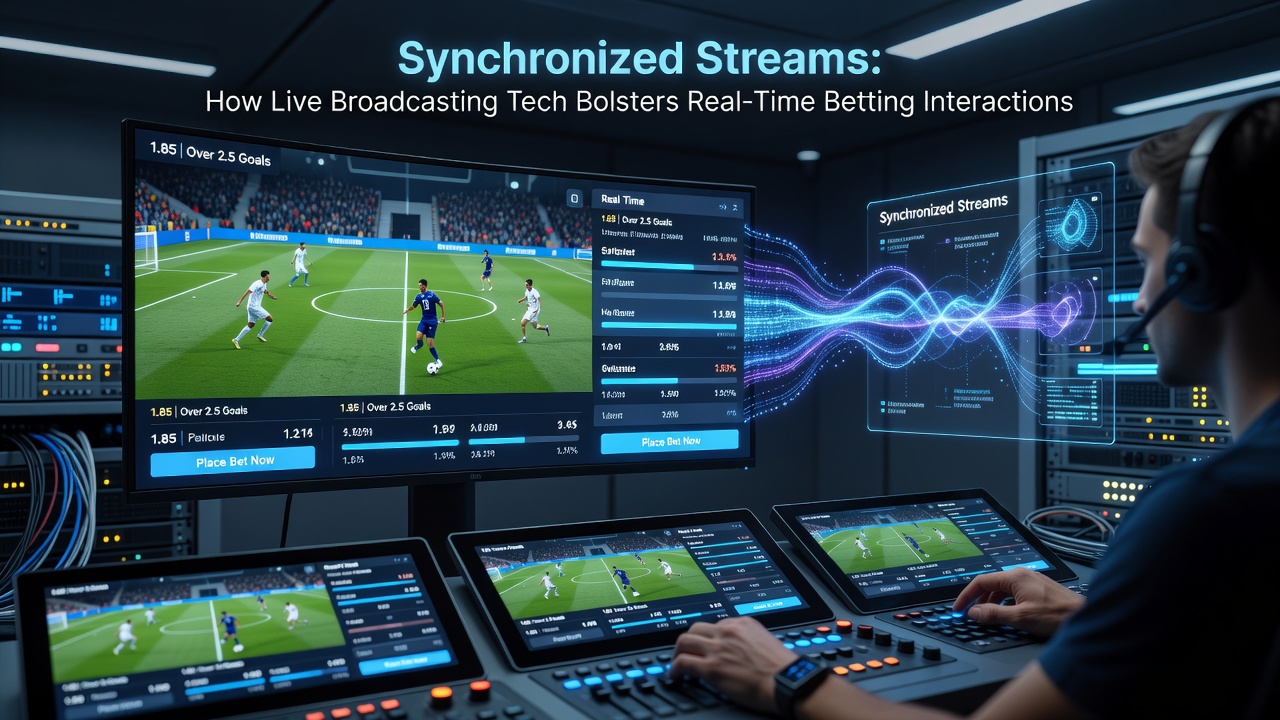 Live broadcasting technology continues to reshape how betting platforms deliver real-time interactions, with synchronization tools allowing odds to update instantly alongside video feeds. Data from industry reports shows that platforms using these systems achieve latency under two seconds in major sports events, which keeps bettors engaged during matches or races. Observers note that this integration stems from advances in content delivery networks and application programming interfaces that connect broadcasters directly to betting engines. In July 2026 several major leagues expanded their partnerships with tech providers to embed metadata streams into live coverage, enabling features like in-play micro-bets on player stats or ball trajectories. These developments build on earlier infrastructure upgrades that began rolling out in 2024, when bandwidth costs dropped enough for widespread adoption across Europe and North America.
Core Technologies Driving Synchronization
Streaming protocols such as WebRTC and low-latency HLS form the backbone of these systems, while edge computing nodes process data closer to users to cut delays. Researchers at academic institutions have documented how these components work together, with one study from the University of Nevada Las Vegas highlighting synchronization accuracy rates above 98 percent during high-volume events like the Super Bowl. Betting operators then use this reliable timing to adjust odds without discrepancies that could frustrate participants.
Artificial intelligence plays a supporting role by predicting viewer behavior patterns and pre-loading relevant betting options, yet the core remains the precise alignment of video and data layers. Those who have examined platform architectures find that hybrid cloud setups handle peak loads during live events without interruption, which maintains trust in the displayed information.
Impact on User Engagement and Platform Operations
Platforms report higher retention when synchronized streams are active, because bettors can react to on-screen developments immediately rather than relying on delayed updates from separate apps. Figures from the American Gaming Association reveal that interactive live features contributed to a 22 percent rise in session durations for sports betting products during the 2025-2026 season. This occurs because the technology reduces the gap between what viewers see and what they can wager on, creating a tighter feedback loop.
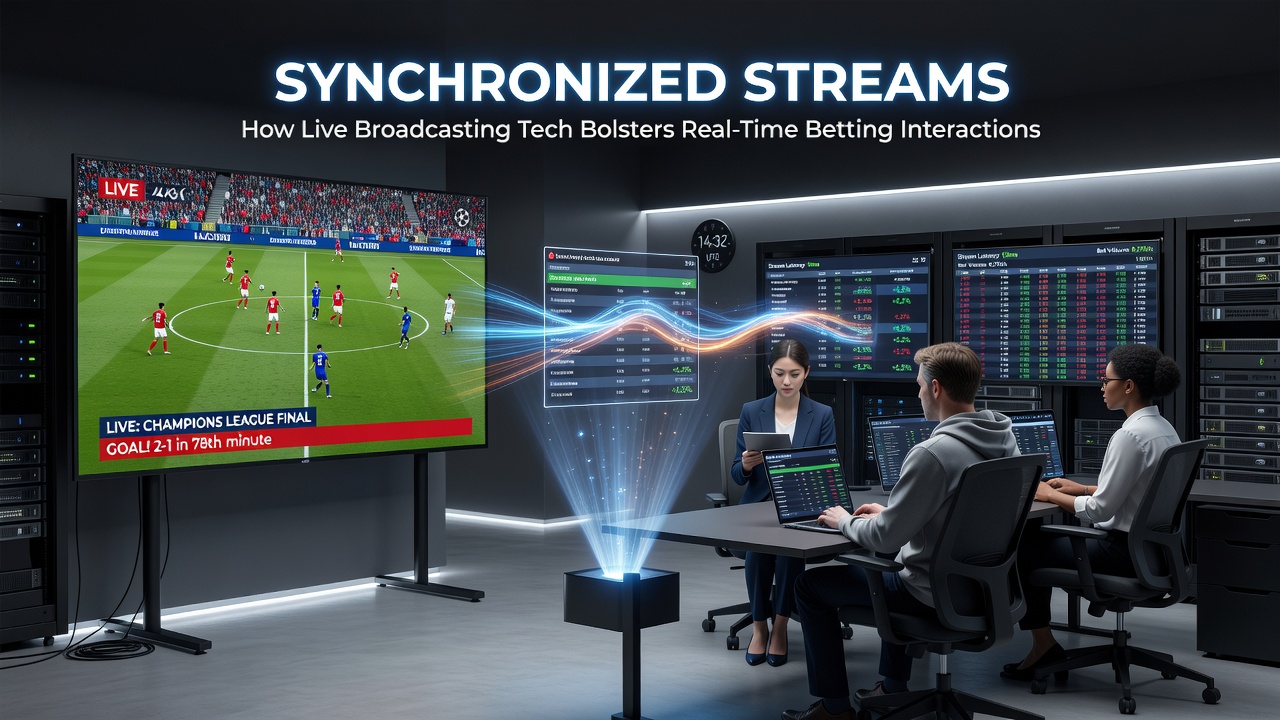
Operators also benefit from analytics gathered through these streams, which track which moments trigger the most bets and inform future content scheduling. In regions such as Australia, the Australian Communications and Media Authority has tracked similar growth patterns in licensed online wagering tied to improved broadcast quality. The result is a more seamless experience that blends entertainment and transaction elements without requiring users to switch contexts.
Regulatory and Security Considerations
Regulators emphasize that synchronized systems must incorporate robust verification to prevent manipulation of feeds or odds displays. Standards developed by groups like the European Gaming and Betting Association require encryption and audit trails for all data exchanges between broadcasters and betting servers. Compliance checks in 2026 have focused on these protocols, especially as live events draw larger audiences and higher transaction volumes.
Security teams deploy real-time monitoring tools that flag anomalies in stream timing, which helps maintain integrity across international markets. Data indicates that platforms investing in these safeguards experience fewer disputes over bet settlements during live events.
Future Developments and Industry Trends
Emerging 5G and satellite integration promises even tighter synchronization for remote or mobile users, while virtual production techniques allow customized camera angles that could tie into personalized betting interfaces. Observers tracking these shifts note that smaller operators are adopting modular solutions to compete with larger entities that already run full-stack systems.
Case examples include racing circuits that overlay telemetry data directly onto video, letting bettors place wagers on specific performance metrics as they unfold. These implementations demonstrate how broadcasting tech extends beyond simple video delivery into interactive layers that support complex betting products.
Conclusion
The combination of advanced streaming protocols, AI enhancements, and regulatory frameworks continues to strengthen real-time betting capabilities worldwide. As infrastructure improves through 2026 and beyond, synchronized streams stand to further reduce barriers between live action and wagering decisions, supported by measurable performance gains across multiple markets. Continued collaboration between broadcasters, tech vendors, and oversight bodies will determine how these tools evolve in the years ahead.