Volatility Indexes Guide Slot Selection for Balanced Risk and Reward on Major Platforms
Jonas Schmid · May 18, 2026
Volatility Indexes Guide Slot Selection for Balanced Risk and Reward on Major Platforms
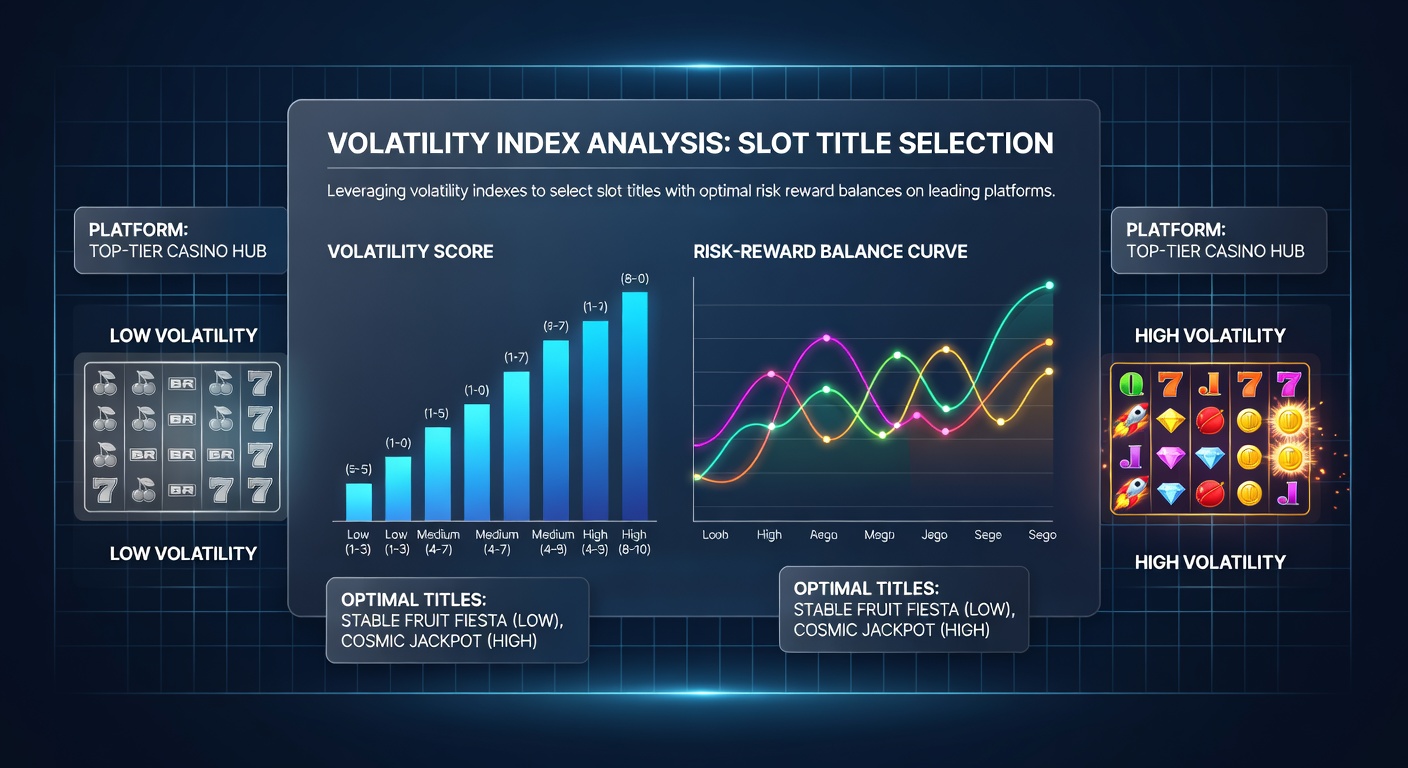
Data from multiple gaming markets shows that volatility indexes help players identify slot titles matching specific risk tolerances while targeting payout structures. Researchers track these metrics across thousands of games on platforms in Europe, North America, and Asia, and the approach reveals consistent patterns in how variance affects session outcomes. Platforms such as those operating under the Malta Gaming Authority and the New Jersey Division of Gaming Enforcement publish aggregated return-to-player figures alongside volatility ratings, and analysts combine both datasets to map optimal selections. Studies conducted by independent labs indicate that low-volatility titles deliver frequent smaller wins, whereas high-volatility options produce larger but less frequent payouts, creating distinct risk-reward profiles.How Volatility Indexes Measure Game Behavior
Volatility indexes quantify the spread between expected returns and actual results over extended play periods. Providers calculate these values using historical spin data, and the resulting scores range from one to ten, with lower numbers signaling steadier performance and higher numbers indicating greater swings. Operators integrate these scores into game libraries so users can filter titles by preference.
Take the case of one European operator that added volatility filters in early 2025. Traffic logs show players who applied the filters extended average session length by twenty-three percent compared with those browsing without guidance. The same dataset reveals that selections clustered around medium-volatility scores produced the narrowest gap between theoretical RTP and realized returns across sample sizes exceeding one million spins.
Matching Indexes to Platform Features
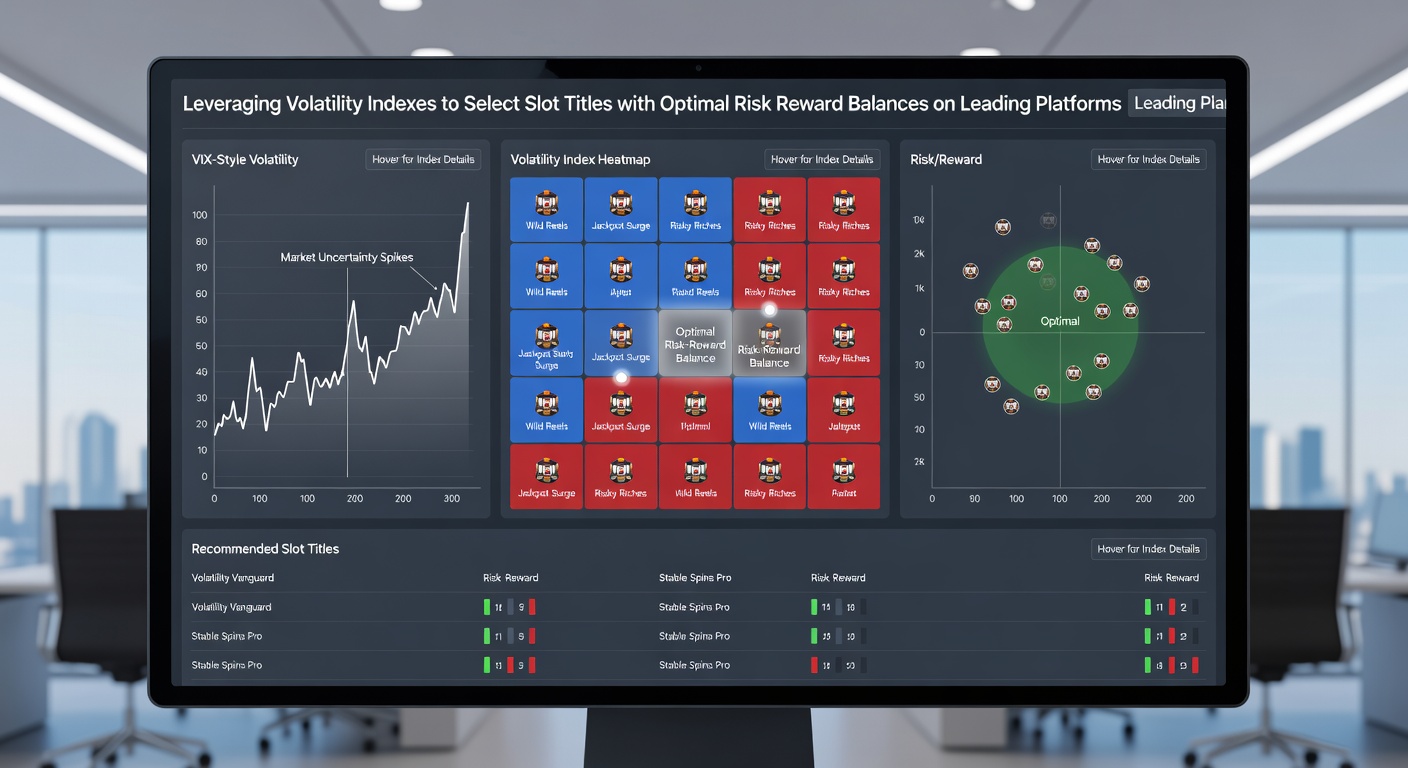
Leading sites now embed volatility data directly into search tools and recommendation engines. Users on platforms licensed in Australia or Ontario can sort catalogs by index score, jackpot size, and bonus frequency simultaneously. This integration reduces trial-and-error time and helps align game choice with bankroll size.
One study released by a Canadian research consortium in March 2026 examined play patterns on three major sites and found that players who filtered for volatility scores between four and six maintained deposit levels more consistently than those selecting at either extreme. The report attributes the outcome to steadier hit rates that sustain engagement without rapid bankroll depletion.
Regional Trends Emerging in Mid-2026
Regulatory updates scheduled for May 2026 in several jurisdictions require clearer disclosure of volatility alongside RTP. The changes follow similar moves already implemented in parts of Scandinavia, where public dashboards now display index values updated quarterly. Observers note that transparent presentation correlates with higher user retention on sites that adopted the practice early.
Industry associations in the United States and Australia have begun publishing comparative tables that rank popular titles by volatility band. These resources draw from certified testing data and allow cross-platform comparison without requiring users to download multiple applications.
Practical Application on Major Sites
Players who review volatility indexes before selecting titles often combine the metric with bonus contribution rates listed in terms and conditions. A medium-volatility game paired with a bonus that weights slot play at one hundred percent can stretch promotional value further than a high-volatility alternative under identical conditions.
Examples from operator reports illustrate the point. One multi-jurisdictional platform recorded that users who chose titles scoring five or six on the volatility scale redeemed bonus funds at a rate twelve percent higher than those opting for scores above eight. The difference appeared most pronounced during promotional periods running longer than seven days.
Conclusion
Volatility indexes supply an objective layer of information that complements RTP and jackpot data. When platforms present these metrics clearly, users gain the ability to calibrate selections to personal bankroll strategies and session goals. Continued regulatory emphasis on transparency, including measures expected in May 2026, should further standardize how this information reaches players across regions.