Volatility Patterns in Progressive Jackpot Networks and Connections to Tiered Loyalty Structures on Hybrid Platforms
Petra Frank · May 27, 2026
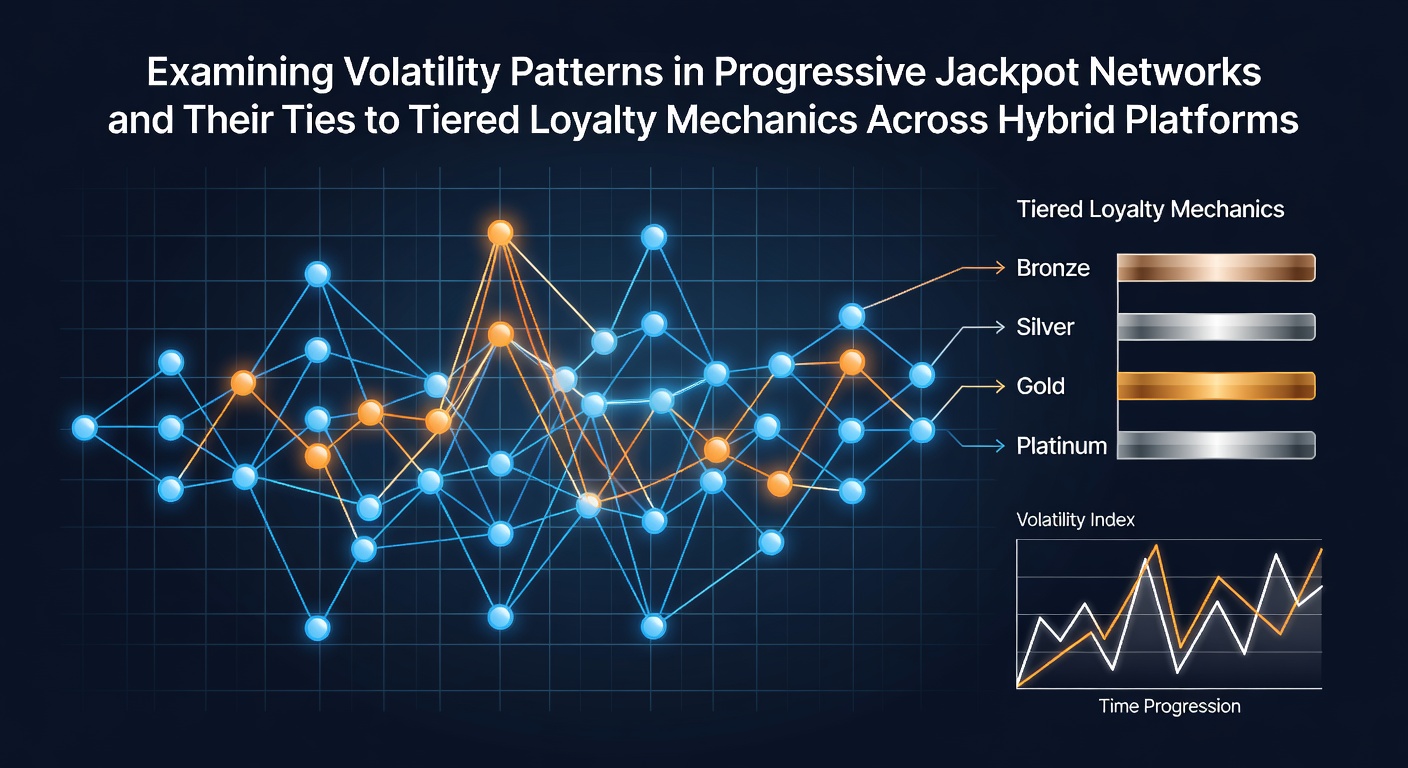
Volatility Patterns in Progressive Jackpot Networks and Connections to Tiered Loyalty Structures on Hybrid Platforms
Progressive jackpot networks operate by pooling contributions from multiple games and platforms, which creates larger prize pools that fluctuate based on player activity and contribution rates, while volatility patterns emerge from the mathematical structure of these systems where win frequencies remain low yet payout sizes vary dramatically. Hybrid platforms that combine sportsbooks, casino games, and poker rooms integrate these networks with tiered loyalty mechanics that track player volume across verticals, and data from industry reports indicate that contribution percentages from slots and table games feed directly into shared jackpot meters.
Understanding Volatility in Jackpot Networks
Volatility in progressive systems stems from random number generators calibrated to deliver infrequent but substantial wins, and researchers at institutions such as the University of Nevada, Reno have documented how seed amounts, increment rates, and player traffic influence the distribution curves over time. Networks spanning several operators amplify this effect because pooled funds grow faster yet reset less often, which produces extended dry spells followed by clustered payouts when meters reach critical thresholds. Observers note that May 2026 saw several major networks report average reset intervals extending beyond six months on flagship titles, a pattern tied to slower contribution inflows during off-peak periods.
Those who analyze transaction logs across hybrid environments find that volatility spikes correlate with promotional events that boost overall handle, whereas steady-state periods show more predictable meter growth rates. Data indicates that games linked to wide-area progressives exhibit standard deviations in return-to-player outcomes that exceed those of standalone titles by factors of three to five.
Tiered Loyalty Mechanics on Hybrid Platforms
Tiered loyalty programs assign players to levels based on accumulated points earned through wagers placed on any connected product, and higher tiers unlock accelerated point multipliers along with exclusive access to certain jackpot pools. Hybrid platforms apply these mechanics uniformly across sports betting markets, live dealer tables, and video slots, which means activity in one vertical accelerates progression toward rewards that may include reduced contribution thresholds on progressive games. Industry analyses reveal that loyalty tiers often incorporate time-bound multipliers during peak months, and operators adjust point-earning rates seasonally to maintain engagement across diverse player segments.
Figures from gaming associations in North America and Europe show that players reaching mid-tier status generate roughly 40 percent more handle on networked progressives than those at entry levels, because reward structures emphasize volume over individual bet size. This integration creates feedback loops where loyalty benefits encourage continued play on high-volatility titles.
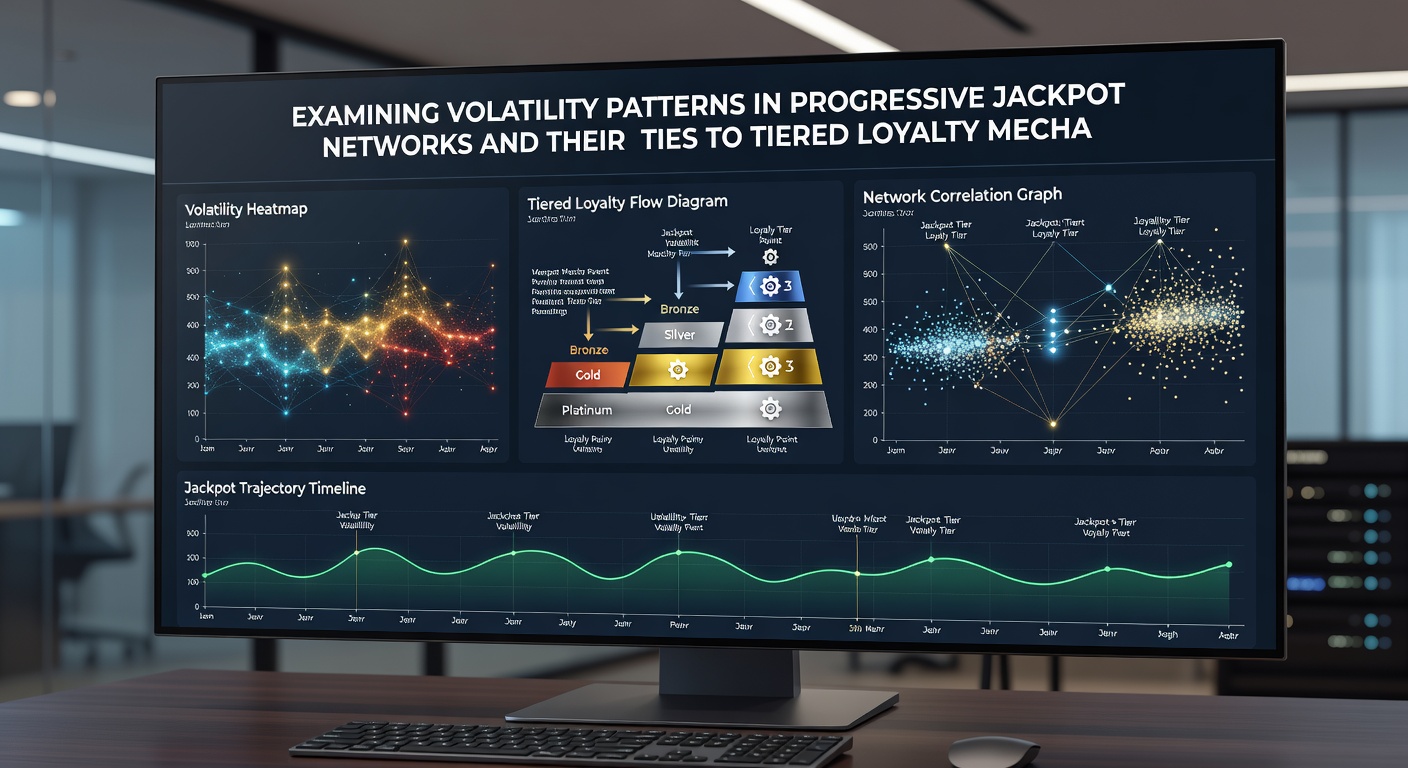
Links Between Volatility Patterns and Loyalty Tiers
Connections between volatility patterns and loyalty tiers appear in how platforms weight contributions from different game types toward both jackpot meters and tier advancement, and studies conducted by the Australian Gambling Research Centre demonstrate that players in upper loyalty brackets participate disproportionately in games with elevated volatility coefficients. Hybrid systems often route a percentage of loyalty point redemptions back into jackpot seeding, which stabilizes meter growth while simultaneously increasing the frequency of smaller ancillary prizes that keep engagement high during long cycles.
One operator group operating across multiple jurisdictions reported in 2025 that tiered bonus structures shifted player distribution toward networked slots during periods of rising meter values, and similar patterns emerged in Canadian provincial data released the following spring. What's interesting is that loyalty algorithms sometimes de-emphasize low-volatility games for higher-tier members, directing them instead toward progressives where the mathematical profile aligns with reward velocity goals.
Platform Implementation and Data Trends
Implementation varies by jurisdiction, yet common approaches include real-time meter displays tied to loyalty dashboards and personalized contribution trackers that update as players move between verticals. Reports compiled by the European Gaming and Betting Association highlight that networks incorporating loyalty-linked multipliers experienced 12 to 18 percent faster meter growth during the first quarter of 2026 compared with non-integrated systems. Those who've examined anonymized session data note that players who receive tier-specific jackpot entries show higher average session lengths, although overall win rates remain governed by the underlying random processes.
Hybrid platforms continue to refine these linkages through machine learning models that predict contribution patterns and adjust tier thresholds accordingly, and evidence from regulatory filings in Nevada and New Jersey indicates steady adoption of such features through the middle of the decade.
Conclusion
Progressive jackpot networks and tiered loyalty mechanics intersect through shared data streams and incentive structures that shape player behavior across hybrid platforms, and ongoing monitoring by academic and industry bodies tracks how these elements evolve together. The patterns observed through 2026 underscore the importance of transparent contribution mechanics and consistent loyalty frameworks in maintaining balanced participation across volatility ranges.