When Virtual Tables Meet Digital Wallets: Tracing Interactions Between Live Dealer Formats, Flexible Funding Methods, and Tiered Reward Structures on Multi-Game Platforms
Tina Sullivan · Aug 10, 2026
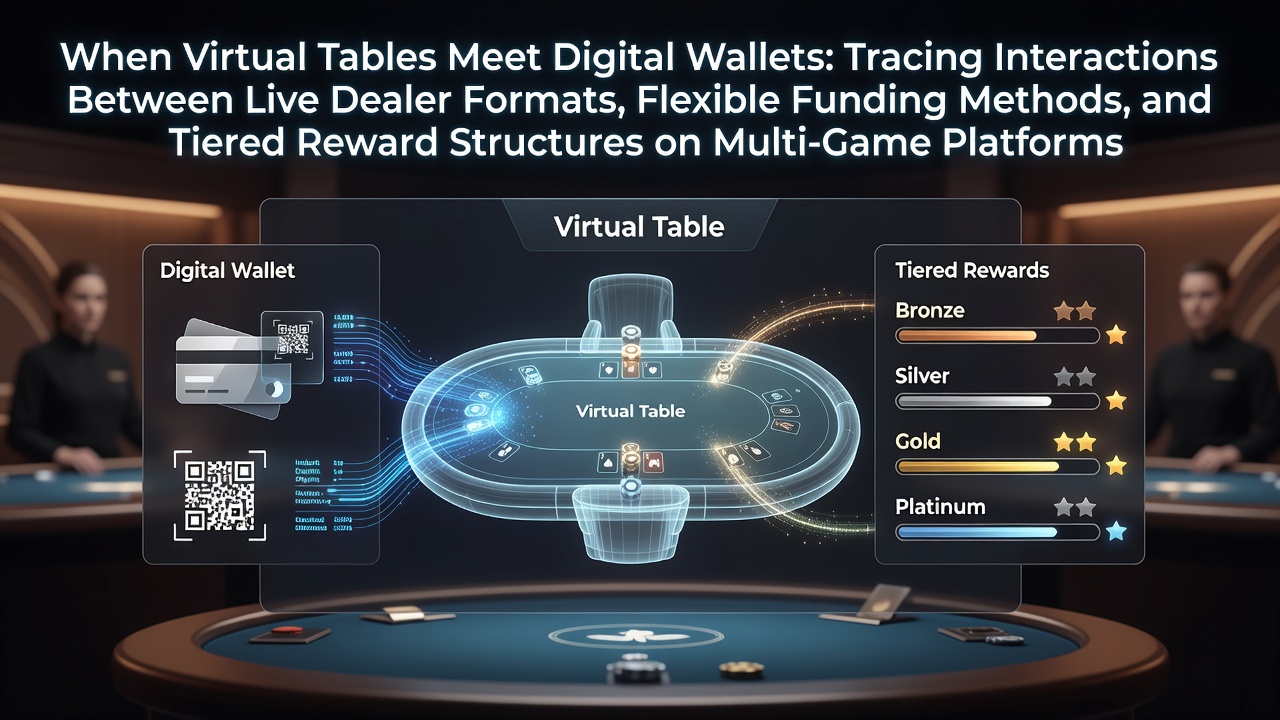
When Virtual Tables Meet Digital Wallets: Tracing Interactions Between Live Dealer Formats, Flexible Funding Methods, and Tiered Reward Structures on Multi-Game Platforms
Multi-game platforms combine live dealer formats with digital wallet options and tiered reward structures to create interconnected systems where players move between real-time table games, instant funding methods, and progressive loyalty levels without leaving a single ecosystem, and data from the New Jersey Division of Gaming Enforcement shows steady growth in these integrated offerings through mid-2026.
Live Dealer Formats Expand Across Multi-Game Sites
Live dealer formats bring real-time video streams of blackjack, roulette, and baccarat tables directly to users on platforms that also host slots, sportsbooks, and poker rooms, while operators connect these tables to automated tracking systems that log every bet and decision. Observers note that software providers supply multiple camera angles and chat functions so participants interact with dealers and other players in sessions that run continuously, and these setups operate alongside RNG-based games to give users choice within one account. As of August 2026, several major operators report that live dealer traffic accounts for a growing share of total handle on sites that bundle casino, poker, and sports products together.
Digital Wallets Streamline Funding and Withdrawals
Flexible funding methods include e-wallets such as PayPal, Skrill, and Neteller that allow deposits to complete in seconds and link directly to player accounts for immediate play, and these tools support both traditional currencies and select cryptocurrencies on platforms that meet regional licensing requirements. Researchers from the European Gaming and Betting Association have documented how wallet integrations reduce transaction friction compared with bank transfers, which lets users move funds between live tables and other game types without delays. Platforms often embed wallet balances in the same dashboard that displays live game lobbies so players switch from funding to table selection in one interface.
Tiered Reward Structures Drive Retention
Tiered reward structures assign points based on total wager volume across live dealer games and other offerings, then unlock higher status levels that deliver cashback percentages, exclusive table access, and personalized bonuses. These systems track activity automatically through the same software that powers live streams, so points accumulate in real time during blackjack or roulette sessions, and higher tiers often include faster withdrawal processing when funded through approved digital wallets. Industry reports indicate that operators adjust tier thresholds seasonally to maintain engagement, with data showing repeat participation rates rising as players advance through silver, gold, and platinum brackets.
How the Three Elements Interact on Single Platforms
Interactions begin when a player deposits via digital wallet, receives instant credits, and joins a live dealer table where every wager contributes to tiered reward points that later convert into reload bonuses or cashback, and this loop operates across multiple game categories because the platform shares one backend ledger. Observers note that live dealer sessions often carry bonus multipliers that accelerate tier progress, which encourages users to keep funds in the wallet rather than withdrawing after each session. Multi-game sites further connect these features by offering VIP-only live tables accessible only after reaching certain reward levels, and wallet transactions for those tables sometimes carry reduced fees as an added incentive.

Case examples from platforms operating in regulated markets reveal that users who combine live dealer play with wallet deposits reach mid-tier status faster than those relying on slower payment rails, and the resulting rewards frequently include free bets that can be used across sportsbooks and casino sections. Data indicates that operators monitor these cross-feature patterns to adjust point-earning rates on live tables, ensuring the reward structure remains balanced while still encouraging continued deposits through digital channels. In August 2026, several sites introduced temporary tier accelerators tied to specific live game variants, demonstrating how the elements continue to evolve together.
Regulatory adn Technical Considerations
Regulators in multiple jurisdictions require platforms to maintain clear records of wallet transactions and reward point calculations so that live dealer activity remains auditable, and technical standards mandate secure API connections between payment processors and game servers. Those who have studied platform architecture note that real-time synchronization prevents discrepancies when players move from a live roulette table to a poker room while accumulating the same reward tier. Compliance teams review these flows regularly to confirm that bonus terms align with licensing conditions across regions.
Conclusion
Live dealer formats, digital wallet funding, and tiered reward structures function as linked components on multi-game platforms, with each element feeding data and incentives into the others to shape player movement and spending patterns. Evidence from regulatory filings and industry tracking shows continued integration through 2026, as operators refine connections between real-time tables, instant payments, and progressive loyalty levels to sustain activity across their full game portfolios.